
If you're over 50 and wondering whether it's too late to build income online, you're not alone. Many women feel a quiet kind of financial pressure at this stage of life, not because they did something wrong, but because life asked a lot of them. Careers changed. Families needed care. Savings may not feel as steady as you hoped. And now the internet seems full of people speaking a language you were never taught.
That can make online business ideas feel confusing, noisy, or even a little suspicious.
I understand that hesitation. I remember how overwhelming it felt the first time I looked at websites, email tools, and training dashboards. I wasn't worried about working hard. I was worried about clicking the wrong thing and wasting time.
The good news is that you're not behind. You bring judgment, patience, communication skills, and real-life experience. Those qualities matter online.
There is also a practical reason this path deserves your attention. The U.S. Small Business Administration says e-commerce already accounts for one-fifth of all retail sales worldwide and is projected to reach 22.6% by 2027. Online selling isn't a fringe idea anymore. It's part of how business works now.
The list below gets to the point. These are ten online business ideas you can start learning without becoming a tech expert first. Some are faster to begin. Some take longer but build more ownership. All of them can be approached in a calm, steady way.
1. Affiliate Marketing
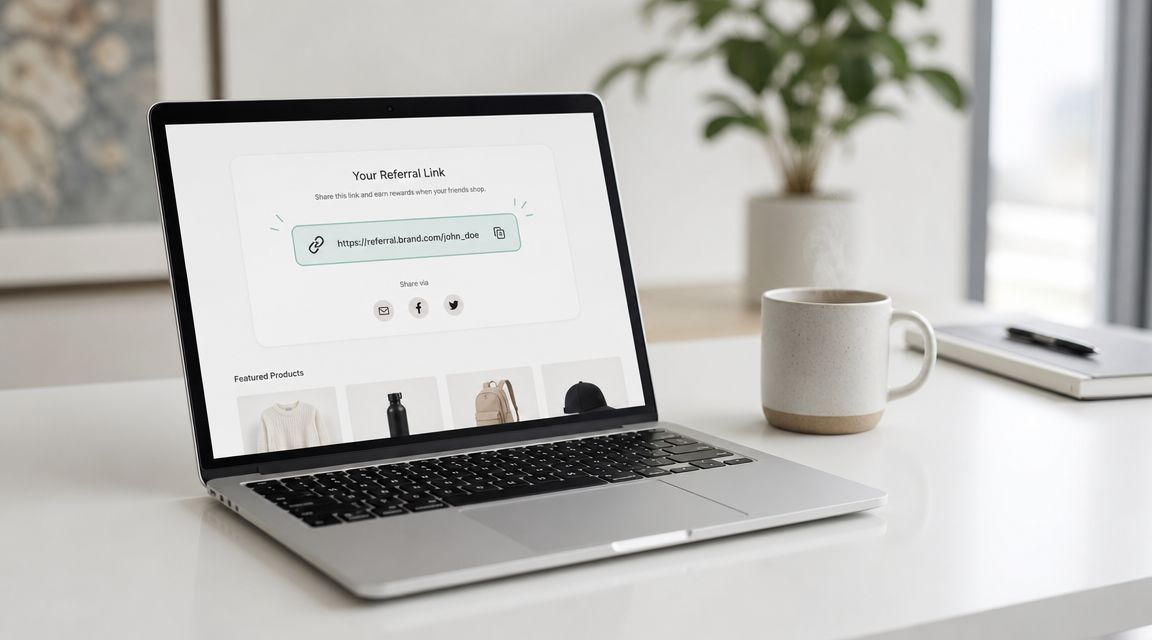
Affiliate marketing is one of the simplest online business ideas to understand. You recommend a product or service. If someone buys through your special link, you earn a commission.
That means you don't need to create your own product, keep inventory, or ship anything. You focus on helping people choose well.
Why it feels manageable for beginners
If you've ever told a friend which walking shoes helped your feet, which kitchen tool saved time, or which book made a hard season easier, you've already done the human part of Affiliate Marketing. Online, you do the same thing through a blog post, email, YouTube video, or social post.
Affiliate marketing is also a real sales channel, not just a trend. WebWave cites an industry-backed estimate that affiliate-driven sales make up about 16% of all e-commerce transactions in the U.S., with affiliate spend projected to reach $12 billion in 2025.
Practical rule: Only recommend products you'd feel comfortable suggesting to your sister, neighbor, or closest friend.
A simple example would be a woman who starts a blog about downsizing after 50. She writes about storage bins, label makers, planners, and donation tools she has used. Her recommendations help readers and create income at the same time.
What to do first
- Pick one problem: Choose a topic like home organization, healthy aging, travel planning, gardening, or beginner tech.
- Recommend a small set of products: Start with a few items you know well instead of dozens you barely understand.
- Learn the models: This guide to types of Affiliate Marketing helps you see the difference between content-led recommendations and other approaches.
If you're asking, "Is this legit?" that is a healthy question. Yes, scams exist online. Ethical Affiliate Marketing is different. It's clear, disclosed, and built on trust.
2. Email Newsletter and List Building
You open your inbox on a Tuesday morning and see a note from someone whose advice always calms you down. It is short, useful, and easy to read. That is the appeal of an email newsletter. It creates a direct line between you and people who want to hear from you.
For many midlife women, that direct line feels less intimidating than trying to keep up with fast-moving social media. You do not need video skills, perfect lighting, or a constant stream of posts. You need a clear topic, a helpful voice, and a steady habit.
An email list is a permission-based contact list. People raise their hand and say, "Yes, send me your notes." That makes email more like writing to a circle of interested readers than performing for a crowd.
Why email works so well for beginners
Email is a quiet asset. Social platforms can change rules, reduce your reach, or reward whoever posts the most. Your list is different. If someone subscribes, you can reach them directly in their inbox.
That is especially useful if you are starting small and want less noise.
A newsletter can center on one practical problem you understand well. Maybe you share weekly tips on caregiving, simple budgeting after divorce, decluttering a home, healthy meals for one or building confidence with basic tech. Your lived experience is the asset here. Readers often trust a calm, experienced guide more than a polished internet personality.
A helpful starting point is Narrareach's newsletter system. It shows what a simple writing rhythm can look like when you are building this one step at a time.
If you want to understand how newsletters can later connect to paid collaborations, this creators' guide to brand sponsorships gives useful context without making the process sound more complicated than it is.
A gentle way to begin
Start with one reader in mind. Write as if you are sending a thoughtful note to a friend who asked for help.
Your first newsletter does not need to be long. It can include:
- One practical tip: A small action the reader can take today.
- One short story: Something you learned from your own life or work.
- One recommendation: A book, tool, article, or resource you find useful.
A small list of engaged readers will serve you better than a large list of people who never open your emails.
This model is easier than it sounds. It works like hosting a small coffee gathering in your inbox. You are not trying to impress everyone. You are helping the right people feel understood and supported.
If you want practical help with the business side later, this guide on how to monetize an email list explains common next steps in clear language.
3. Content Blogging with Monetization
Blogging is still one of the most useful online business ideas if you enjoy writing and want a home base online. A blog gives your ideas a place to live, and it can keep working for you long after you publish a post.
That last part matters. Social posts disappear quickly. Blog articles can keep getting found through search.
What a blog can become
You don't need to be a professional writer to start a blog. You need a clear topic and a willingness to help people. Useful blogs often grow around life experience, not flashy credentials.
A few examples:
- A Retirement transition blog
- A simple recipes blog for empty nesters
- A caregiving support blog
- A blog about low-stress style, wellness, or home routines after 50
Once readers arrive, a blog can earn through affiliate links, ads, sponsored content, or your own offers. It can also support everything else on this list, especially email and digital products.
I remember staring at a blank page in the beginning and thinking I needed to sound polished. I didn't. I needed to be clear.
How to keep it simple
Start with questions people already ask you. If friends often ask for your advice on meal prep, online safety, organizing paperwork, or rebuilding confidence after Retirement, those are blog topics.
Useful blog post ideas include:
- How-to posts: Step-by-step help solves specific problems.
- Comparison posts: These work well for product recommendations.
- Personal lessons: Readers connect with honest experience.
Blogging isn't instant. But it builds something durable. If you like writing more than video, this can feel like a calm and natural fit.
4. Influencer and Brand Ambassador Marketing
This idea can sound intimidating, but it doesn't have to. Being a Brand Ambassador isn't about becoming internet famous. Often, it's about becoming trusted in a small, clear niche.
A woman who shares honest posts about walking shoes, mature skincare, comfortable travel clothing, or home office tools can become valuable to brands because she speaks to a real audience with credibility.
What this looks like in real life
You might choose one platform, such as Instagram, Facebook, or TikTok, and post regularly about a topic you are passionate about. Over time, a company may invite you to share a product, or you may apply to partner with brands yourself.
That partnership could involve:
- Product reviews: You test and explain what you think.
- Sponsored content: A brand pays for a post or video.
- Ambassador relationships: You represent a brand over time, not just once.
If you'd like a practical overview, this creators' guide to brand sponsorships can help you understand what these partnerships usually involve.
A realistic caution
This path can work, but it often asks for steady posting and comfort with public visibility. If that energizes you, wonderful. If not, choose a quieter model like email, blogging, or digital products.
Trust matters more than polish in this kind of work.
One of the biggest myths online is that older women are at a disadvantage. I don't believe that. Mature audiences often want calm voices, not constant hype. Your steadiness can be your edge.
5. Digital Product Creation
Digital products are one of the kindest online business ideas for women who want simplicity. You create something once, and people can keep buying it without you packing boxes or making repeated trips to the post office.
That "something" could be a printable planner, an e-book, a checklist, a Notion template, a workbook, or a short course.
Why this model appeals to beginners
Ideaproof describes products like templates, e-books, spreadsheets, and presets as the “most accessible online business model,” and notes that creators can build catalogs of 100+ products across Etsy, Gumroad, and Creative Market with potential revenue in the $5K–$30K/month range. What matters most for a beginner is not the income claim. It's the structure. You can make one useful asset and sell it repeatedly.
A simple example would be a caregiver's printable binder, a budget planner for women starting over, or a meal planning template for one or two people.
You don't need fancy software. Many beginners use Canva, Google Docs, or Notion.
Start smaller than you think
Your first digital product does not need to be a course with ten modules. It can be:
- A checklist: "What to do before downsizing your home"
- A workbook: Reflection pages for a career transition
- A planner: Weekly routines for Health, savings, or side income
This guide to creating digital products is useful if you're trying to picture the process.
The best digital products solve one specific problem. Broad inspiration is nice, but practical help sells more naturally.
6. Webinar Marketing and Lead Generation
A webinar is an online teaching session. You show up live, share something useful, and invite people to keep learning from you.
That may sound technical, but it doesn't need to be complicated. Think of it as a workshop on Zoom with a clear topic.
Here is a helpful example if you're curious how this format works:
Why webinars build trust
Webinars work well when your topic benefits from explanation. If you help people understand budgeting, caregiving systems, confidence after divorce, or how to start Affiliate Marketing, a live teaching format can build connection quickly.
People can hear your voice, ask questions, and decide whether they want more help from you. That makes webinars useful for selling courses, coaching, memberships, or even growing your email list.
I know "host a webinar" can sound like a big leap. The first one doesn't have to be grand. It can be a small session for a handful of people.
Keep the first one plain and useful
A beginner webinar might be:
- Topic-based: "How to choose your first online income path"
- Problem-based: "Three mistakes new affiliate marketers make"
- Support-based: "How to build an email list when you're starting from zero"
If you want a simple walkthrough, this article on how to host webinars breaks the process down.
What matters most is not slick slides. It's helping people leave clearer than they arrived.
7. Niche YouTube Channel with Monetization
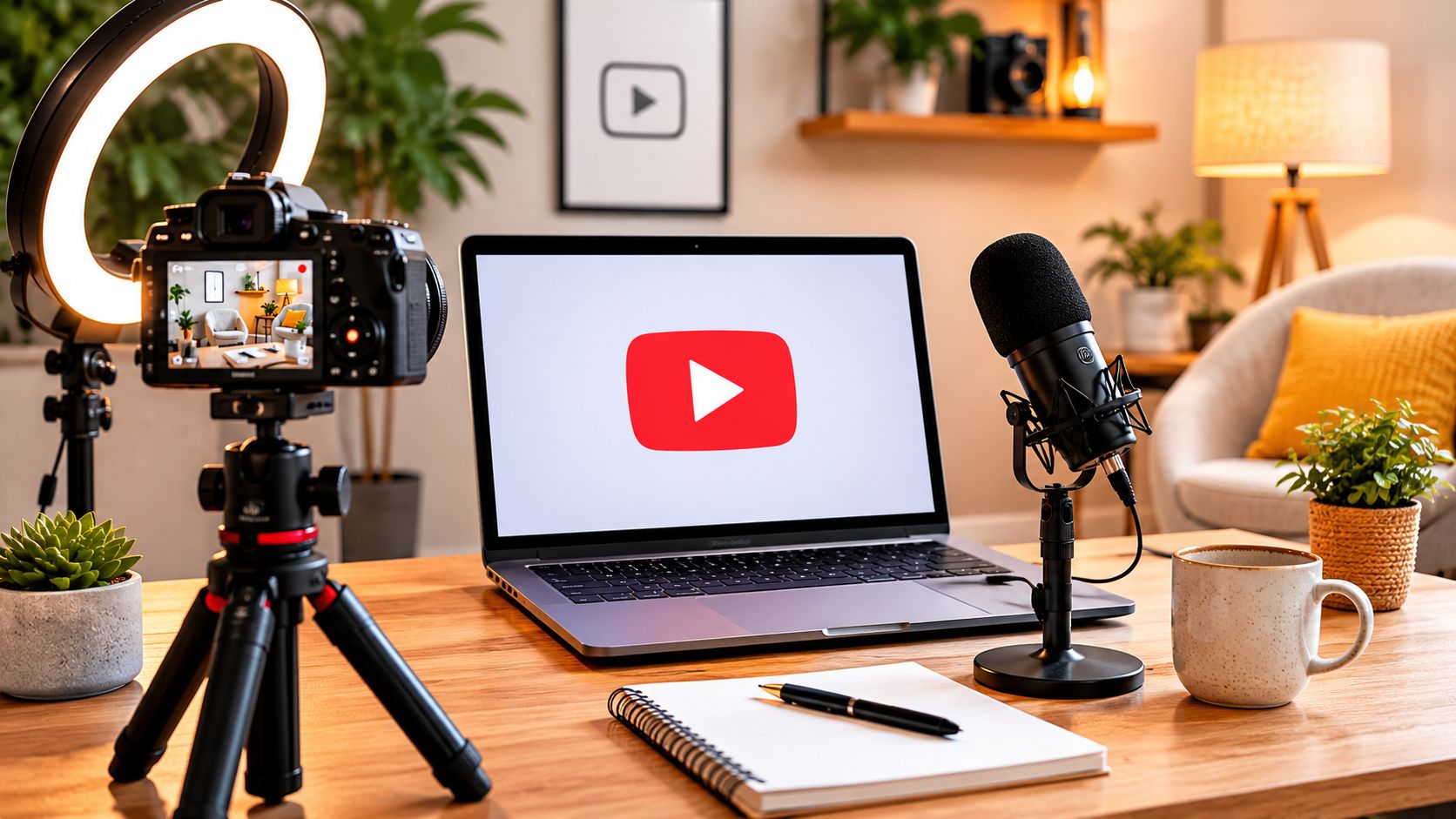
YouTube can be a strong fit if you like explaining, demonstrating, or storytelling. Among online business ideas, it offers a very human way to build trust because people can see and hear you.
That said, you do not have to become a polished on-camera personality overnight.
What works well on YouTube
Niche channels often do better than general ones. A channel about "healthy habits for women over 50" is clearer than a channel about "my life." A channel about budget-friendly home organization, walking routines, Retirement transitions, or easy tech tutorials can attract a loyal audience.
You can monetize a YouTube channel through affiliate links, sponsorships, your own offers, or by sending viewers to your email list.
A realistic example would be a woman who records short videos showing how she plans meals, uses digital coupons, or organizes household papers. Those topics may sound ordinary, but ordinary problems create real search demand.
Good news if camera confidence worries you
You don't have to start with cinematic videos. You can film with a phone, use simple lighting near a window, and focus on clarity.
Some creators also make:
- Voiceover videos: Screen shares, slides, or hands-only demonstrations
- Faceless tutorials: Great for recipes, planning systems, or product reviews
- Talking-head videos: Just you explaining one useful idea
If you're patient and consistent, YouTube can become a long-term asset. Older creators often do well because their communication feels grounded and trustworthy.
8. Podcast with Sponsorships and Affiliate Marketing
If writing feels tiring and video feels too exposed, a podcast may feel more comfortable. A podcast lets you build a relationship with people through your voice alone.
That can be powerful. Many listeners bring podcasts into quiet, everyday moments like walking, driving, cooking, or getting ready in the morning.
Why this model feels personal
A podcast works well when you have a topic people want help with over time. It could be encouragement for women starting over financially, conversations about work after 50, or simple guidance around wellness, caregiving, or entrepreneurship.
Monetization can come later through sponsorships, affiliate recommendations, memberships, or your own products. In the beginning, the primary goal is connection.
One helpful thing about podcasting is that it can be repurposed. A single episode can also become a blog post, an email, and several social posts.
Your voice can carry warmth and trust before your audience ever sees your face.
A practical beginner path
You don't need to launch with a studio setup. Start with a clear concept and a handful of episode ideas.
Try a format like:
- Solo teaching: You share lessons and encouragement.
- Interviews: You bring on guests with useful life or business experience.
- Hybrid: Some episodes are solo, some are conversations.
Podcasting usually grows gradually, which can suit a second chapter well. It's less about chasing trends and more about showing up faithfully.
9. Virtual Services and Consulting
A woman in her 50s opens her laptop, looks at a blank screen, and wonders what she could possibly sell online. She is not starting from zero. She is starting from experience.
Virtual services and consulting are often the clearest way to turn that experience into income. Instead of building an audience for months before earning anything, you help a real person solve a real problem now. That can include writing, editing, customer support, virtual assistance, bookkeeping, tutoring, coaching, consulting, or project coordination.
Why this path feels more doable than many beginners expect
This model is simple. Someone needs help. You know how to help. You agree on the task, timeline, and price.
For many midlife women, that simplicity matters. If tech feels intimidating, a service business can be a gentle starting point because you do not need a fancy website, a course platform, or a large following to begin. In many cases, an email inbox, a video call tool, and a clear offer are enough to test demand.
Your background may already contain marketable skills that younger beginners are still trying to build. A former office manager may be excellent at calendars, systems, and follow-through. A retired teacher may know how to explain hard things in a calm, structured way. A woman who has managed a household through layoffs, caregiving, or tight budgets may be unusually good at planning, communication, and problem-solving under pressure.
Those strengths count.
What to sell first
Start with one small, specific service. Broad offers create confusion. Clear offers help people say yes.
For example:
- Virtual support: Inbox cleanup and calendar organization for busy professionals
- Consulting: Resume, interview, or LinkedIn guidance for women returning to work
- Coaching: Support and action planning for a late-career transition
- Bookkeeping help: Monthly expense tracking and simple reporting for small businesses
- Editing: Proofreading blog posts, newsletters, or client documents
A good beginner offer works like a first step on a staircase. It should be easy to explain, easy to deliver, and useful enough that a client can quickly see the result.
Instead of saying, "I can help with anything," say what changes after working with you. "I help overwhelmed business owners get their inbox under control in two weeks" is much easier to understand.
Services are not passive income. They are often the fastest way to build confidence, get paid, and learn what people will gladly pay you for. Later, that client work can show you what to turn into a digital product, workshop, or membership.
10. Community and Membership Sites
Some online business ideas are built around information. Others are built around belonging. Memberships and communities do both.
In a membership, people pay for ongoing access to support, teaching, conversation, or resources. This can work beautifully if you enjoy encouraging others and creating a safe place for them to grow.
When community becomes the product
A membership might serve women building online income after 50, caregivers needing support, people simplifying life before Retirement, or beginners learning a specific skill together.
What members pay for is not just content. They pay for structure, accountability, and the relief of not doing it alone.
This is also where your life stage can become a major strength. Many people want guidance from someone steady, thoughtful, and calm.
Build this after trust exists
Memberships usually work best after you've built some audience through blogging, email, YouTube, webinars, or services. People join communities when they already trust the host.
Good memberships often include:
- Live sessions: Q and A calls, workshops, or planning sessions
- Resource libraries: Guides, templates, and recordings
- Peer support: Conversation with others on a similar path
Value is continuity. Instead of one transaction, you create an ongoing relationship. For many women in a second chapter, that's not only a business model. It becomes meaningful work.
Side-by-Side Comparison of 10 Online Business Ideas
| Strategy | 🔄 Implementation complexity | ⚡ Resource requirements | ⭐📊 Expected outcomes | 💡 Ideal use cases | Key advantages |
|---|---|---|---|---|---|
| Affiliate Marketing | Low → Moderate: build audience & content systems | Low financial cost; time for audience growth | ⭐⭐, Variable passive income; often 6–12 months to scale | Bloggers, niche creators, side-hustles | No product creation; scalable with audience |
| Email Newsletter & List Building | Moderate: setup, segmentation, consistent cadence | Low–Medium: email platform, lead magnets, time | ⭐⭐⭐, High ROI and owned audience; 12–24 months to monetize well | Solo creators wanting an owned asset | Direct control, high engagement and convertibility |
| Content Blogging with Monetization | Moderate → High: SEO + consistent publishing | Low cost; high time investment for SEO/content | ⭐⭐⭐, Compounding organic traffic; 6–12 months to see traction | Niche experts building long-term passive income | Evergreen traffic; multiple monetization channels |
| Influencer & Brand Ambassador Marketing | Moderate: audience-building & content consistency | Low financial, high time & creative input | ⭐⭐, Reliable sponsorship income with 10k+ followers | Visual communicators, lifestyle creators | Direct brand deals, higher per-campaign pay |
| Digital Product Creation (Courses & Guides) | High upfront: course design, curriculum, production | Medium–High time and tools; hosting/platform fees | ⭐⭐⭐, High margin & scalable sales; requires audience to launch | Experts, coaches, knowledge-based sellers | High profit margins; control over pricing and packaging |
| Webinar Marketing & Lead Generation | Moderate → High: presentation skills & tech setup | Medium: webinar platform, promotion, production time | ⭐⭐⭐, High conversion for $97+ offers; immediate sales per event | Coaches, course creators, higher-ticket offers | Strong conversion and list growth in single funnel |
| Niche YouTube Channel | High: video production, SEO, algorithm mastery | Low monetary start; high time, equipment, editing | ⭐⭐, Long-term passive earnings; threshold to monetize can be slow | Visual educators, personal brands, evergreen niches | Fast brand-building; videos earn long-term |
| Podcast (Sponsorships & Affiliates) | Moderate: recording, editing, publishing cadence | Low–Medium: mic, hosting, editing time | ⭐⭐, Deep listener loyalty; sponsorships need scale (10k+ downloads) | Storytellers, conversational creators | Intimate audience connection; repurposable content |
| Virtual Services & Consulting | Low → Moderate: deliverable-based, sales skills needed | Low startup costs; time-intensive service delivery | ⭐⭐, Immediate revenue; revenue tied to time unless productized | Professionals seeking quick income | Fast monetization; high per-hour rates |
| Community & Membership Sites | High: ongoing content, moderation, retention systems | Medium–High: platform, content, community management | ⭐⭐⭐, Recurring predictable revenue if engagement is high | Established creators with active audiences | Predictable recurring income and strong member loyalty |
Your Next Five Years Will Pass Anyway
A woman closes her laptop after reading ten online business ideas and thinks, “I should have started years ago.” If that feeling is sitting with you, pause there for a moment. Feeling late is common. Being late is not the same thing.
Five years from now, you will be five years older whether you start or not. The gentler question is this: what could you build, one small step at a time, that future-you would be glad to own?
You do not need ten plans. You need one starting lane.
A simple way to choose is to match the business model to the kind of life you want. If first income matters most, services or Affiliate Marketing are often the clearest place to begin. If you want to build something that can keep working in the background, email, blogging, or digital products may fit better. If you enjoy teaching out loud and being seen, webinars, YouTube, podcasts, or a membership can make sense.
For many women in midlife, the obstacle is not a lack of ability. It is noise. Too much online advice makes everything sound urgent, technical, and built for people who already know the rules. A better filter is simpler: How much time can you give this each week? How visible do you want to be? Do you want to depend on social media, or would you rather build something you own, like an email list, a product, or a service?
Your age helps here.
Life experience works like pattern recognition. You already know how to listen, solve everyday problems, spot what people need, and explain things in plain language. Those are business skills. A younger person may be quicker with a new app. You may be quicker at earning trust.
It also makes sense to be cautious. Online business has honest opportunities and shiny distractions sitting side by side. Careful decision-making is not hesitation. It is good judgment.
Try this simple exercise:
- Choose one idea from this list
- Write down one problem you can help solve
- Name three people who would care about that solution
- Take one visible step this week
That step can be small on purpose. Open a separate email account for your business. Draft a short post. Outline a printable checklist. Recommend a tool you already use and explain why it helped. Small steps are easier to repeat, and repeated steps are what create momentum.
Victoria OHare shares educational content about Affiliate Marketing, List Building, webinars, and simple systems for beginners. If you have been looking for a lower-tech, steadier way to learn, her teaching may feel easier to follow than the fast, hype-heavy advice that fills your feed.
The next five years will pass anyway. You can spend them doubting yourself, or you can spend them building something modest, useful, and real. One calm hour a week is still enough to begin.