
You open your laptop after dinner, type “affiliate marketing” into a search bar, and within minutes you are staring at words like SEO, funnels, dashboards, and conversion rates. It can feel like walking into the middle of a conversation everyone else started years ago.
If you are over 50 and wondering whether it is too late to build financial security online, you are in very good company. Many women reach this point after years of caring for family, working hard, and doing their best with what life allowed. Then Retirement gets closer, costs keep rising, and the fact that a paycheck does not last forever becomes harder to ignore.
That feeling is not failure.
It usually means your priorities have sharpened. You want more stability, more ownership, and a way to build something that can keep helping you later, not only this month.
Affiliate marketing can fit that goal because the basic model is simple. You recommend a product or service that effectively helps someone, and if they buy through your unique link, you earn a commission. You do not need to create the product, ship orders, or answer customer support emails. Your job is closer to being a thoughtful guide than a salesperson.
For beginners, that matters. It gives you room to learn one skill at a time.
A helpful way to picture the different types of Affiliate Marketing is to see them as different rooms in the same house. One room is writing. Another is email. Another is video, audio, or community. You do not need to furnish the whole house on day one. You start with one room that feels comfortable, then build from there.
For midlife creators, I suggest an email-first, audience-owned mindset from the beginning. Social platforms can help people find you, but your email list is the part you keep. It works like keeping your own address book instead of hoping a neighbor remembers how to find you. That small shift can turn Affiliate Marketing from a scattered side project into something steadier and more protective over time.
Caution also makes sense here. The internet has plenty of noisy promises and shallow advice. Affiliate Marketing itself is a legitimate business model, but the calmest path is rarely the flashiest one. The goal is not quick cash. The goal is building trust, useful content, and simple systems that can support your future with less stress.
If writing feels like the safest starting point, this guide on how to start a blog for Affiliate Marketing will help you see what that path looks like.
You do not need to master every type of Affiliate Marketing. You only need to understand the options well enough to choose a starting place that fits your strengths, your season of life, and the kind of peace of mind you want to build.
1. Content-Based Affiliate Marketing
You wake up early, make your coffee, and answer a question you have already been asked three times this month. Which travel shoes hold up on long walking days? What email tool feels simple enough for a beginner? How do you keep a pantry organized without buying a pile of containers you do not need?
That is content-based Affiliate Marketing in its calmest form.
You create useful articles, reviews, tutorials, or comparison posts. Then you include affiliate links where they honestly help the reader take the next step. For many beginners, especially midlife creators, this feels more natural than posting all day or learning video right away. Writing gives you room to slow down, explain clearly, and publish something that can keep helping people long after the day you hit publish.
A good blog post works like a helpful conversation saved on paper. One person finds it today. Another finds it six months from now. If the advice stays useful, the post keeps doing its job.
Why this type feels steady
Content-based Affiliate Marketing fits people who want to build trust before they sell. That matters if your goal is peace of mind, not constant hustle.
A blog also gives you space to show your judgment. You can explain who a product helps, where it falls short, and when a cheaper option makes more sense. That kind of honesty is often what turns a casual reader into someone who comes back to you again. For beginners, that is a much stronger foundation than chasing quick clicks.
It also pairs well with an audience-owned business model. A blog can bring in new readers through search and shares. Your email list helps you stay connected after they leave the page. If you want to connect those two pieces, these email List Building strategies can help you turn blog traffic into a real audience you can reach again later.
Simple rule: solve the reader's problem first. Add the affiliate link where it supports the solution.
What content works well
You do not need a huge site to begin. A small library of helpful posts is enough.
- Review posts: Explain what you liked, what you did not, and who the product suits.
- Comparison posts: Help readers choose between two tools, courses, or products.
- Resource lists: Gather the items you use and trust in one place.
- How-to articles: Teach a process, then recommend the tools that support it.
If this approach appeals to you, how to start a blog for Affiliate Marketing is a helpful next read.
One more gentle reminder. A blog is not only a place to drop links. It is a place to build a record of usefulness. Over time, that record can become one of the steadiest assets in your business.
And if each article invites readers onto your list, the blog does even more than earn occasional commissions. It helps you build an audience you own. That is the part that can support long-term security. For practical help with that side of the model, read this guide on how to monetize an email list.
2. email list Affiliate Marketing
A reader finds one of your articles, downloads a simple checklist, and a week later replies to your email with, "This helped. What do you use for this?" That is the quiet strength of email. The conversation continues in a calmer, more personal space.
In Affiliate Marketing, an email list works like a small garden you tend over time. Social media can bring visitors through the gate, but your list is the part you can keep caring for season after season. For midlife creators and beginners, that matters. You are not trying to chase constant attention. You are building a steadier path toward income, trust, and peace of mind.
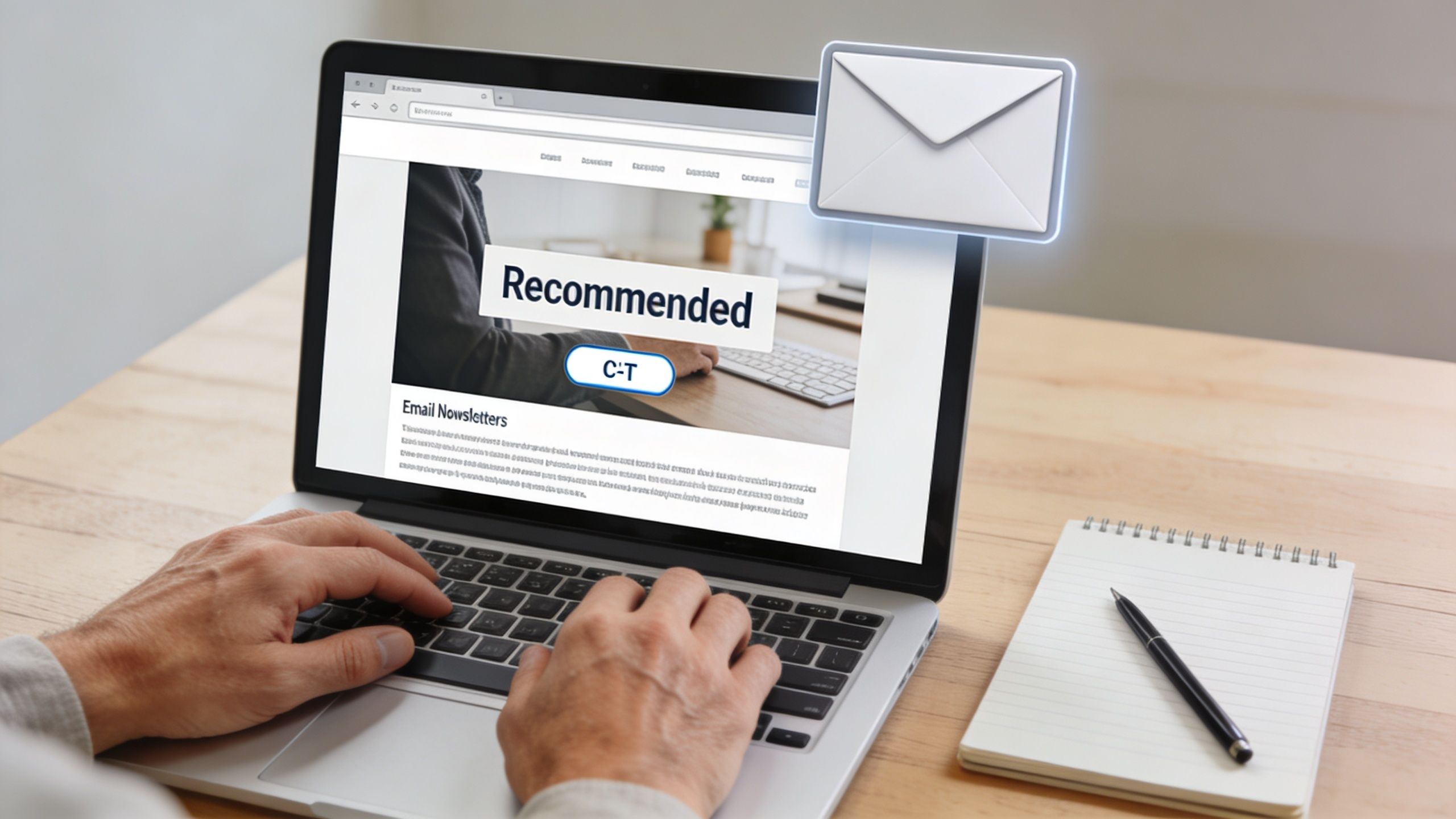
Email does not always look flashy from the outside. Its strength is different. People who join your list have given you direct permission to show up in their inbox, which makes your connection less dependent on changing platform rules or a feed algorithm.
That is why an email-first approach fits long-term Affiliate Marketing so well. You can write useful emails, answer common questions, and recommend products in a way that feels more like guidance than promotion.
If you want help building that kind of system, this guide on how to monetize an email list is a practical place to start.
Why email can feel more stable
A blog post may bring someone in once. An email list gives you a chance to help them many times.
That difference is easy to miss at first. Beginners often focus on traffic because traffic is visible. But email is where relationships often become consistent. Someone reads, replies, asks a question, and begins to trust your judgment. Later, when you recommend a book, tool, or course that aligns with their needs, the offer makes sense in context.
A simple example helps here. Suppose you teach budgeting for women rebuilding after divorce, or gardening for beginners, or simple online business skills after 50. A person joins your list for one useful free resource. Your next few emails help them solve one small, nagging problem. Only after that do you recommend something you have used yourself.
That sequence feels natural because it is natural.
What works well with affiliate offers in email
You do not need daily newsletters or complicated funnels. A short welcome sequence and a consistent habit are enough to begin.
- Start with one clear promise: Tell subscribers what kind of help they can expect from you.
- Teach before recommending: Helpful emails warm the room. Sales emails work better after trust is there.
- Group readers by interest: A subscriber interested in wellness tools may not want blogging software tips.
- Keep your recommendations narrow: A handful of products you trust is usually stronger than a long parade of links.
One caution is worth keeping in mind. Email Affiliate Marketing works best when the list exists for a real topic, not only for promotions. If every email sounds like a sales pitch, people stop listening. If your emails regularly solve problems, product recommendations feel like part of the help.
For creators who want a wider view of digital monetization, this articolo Publer sulla monetizzazione offers another example of how audience-based channels can turn attention into income over time.
An email list is not just a marketing tool. It is an audience you can reach without asking a platform for permission.
That is why this type of Affiliate Marketing can become such a reassuring foundation. Each subscriber is a small piece of an audience-owned business, and over time, that can mean more stability than chasing one-off clicks.
3. YouTube Channel Affiliate Marketing
You explain something to a friend over coffee. You show the steps, point out what went wrong the first time, and mention the tool that made the job easier. That is the heart of YouTube Affiliate Marketing. It works especially well for beginners and midlife creators who teach clearly, speak calmly, and want to build trust over time.
This type of Affiliate Marketing fits products people benefit from seeing before they buy. Software walkthroughs, product reviews, kitchen demonstrations, craft tools, and side by side comparisons all make more sense on video than in a short caption or banner ad.

Earlier in this guide, we noted that video often converts well because people can see the product, hear your explanation, and judge whether it fits their situation. That combination makes YouTube useful for affiliate recommendations, especially when the product has a learning curve.
Why YouTube can build confidence faster
Video gives people more context.
A blog post can explain a tool. A YouTube video can show the setup screen, the results, the mistakes to avoid, and your tone of voice while you explain it. For someone who feels cautious about spending money, that extra context matters. It lowers uncertainty, which is often the key barrier to buying.
That is one reason YouTube can be a strong fit for an email-first business. A helpful video introduces your teaching style. Then the next step can be simple. Invite viewers onto your email list for a checklist, notes, or a beginner guide, so the relationship does not depend on the platform alone.
Creators like Marques Brownlee built authority by showing products clearly and speaking plainly. You do not need a huge audience to use that same approach. You need a useful topic, an honest opinion, and a clear next step.
A simple structure helps:
- Show the product in use: Let viewers see what happens during real use, not just polished results.
- Explain who it is for: A recommendation is stronger when you name the right user and the wrong user.
- Mention drawbacks: Honest limits make your positive comments more believable.
- Place affiliate links in the description: Make the next step easy for viewers who are ready.
If your long-term plan includes short-form discovery on other platforms too, you can explore Instagram Affiliate Marketing as a companion channel, while keeping your email list as the audience you own.
Keep the setup simple
You do not need a studio to begin.
A phone, a window for natural light, and a steady explanation are enough for many first videos. If being on camera feels uncomfortable, film your hands, record your screen, or use a voiceover. Many successful tutorial channels use that exact format because the lesson matters more than the camera angle.
That can be reassuring if you are starting later in life and feeling behind. You are not behind. You are building communication skills that can keep paying off, video by video, subscriber by subscriber, email by email.
If you want to see how creators talk about monetization from the video side, this articolo Publer sulla monetizzazione gives broader context.
Later, you can add a simple educational video like this one to support your learning.
YouTube often feels intimidating only until you publish the first few videos. After that, it starts to feel like any other teachable skill.
4. Social Media Affiliate Marketing
You post a short tip on Instagram while waiting for the kettle to boil. A few people save it. One person replies with a question. Another clicks through to your free checklist and joins your email list. That is a healthy version of social media Affiliate Marketing. It starts a relationship instead of asking a platform to carry your whole business.
Social media Affiliate Marketing means sharing useful content on platforms like Instagram, TikTok, or Pinterest, then guiding people to products through captions, stories, or a link in your bio.
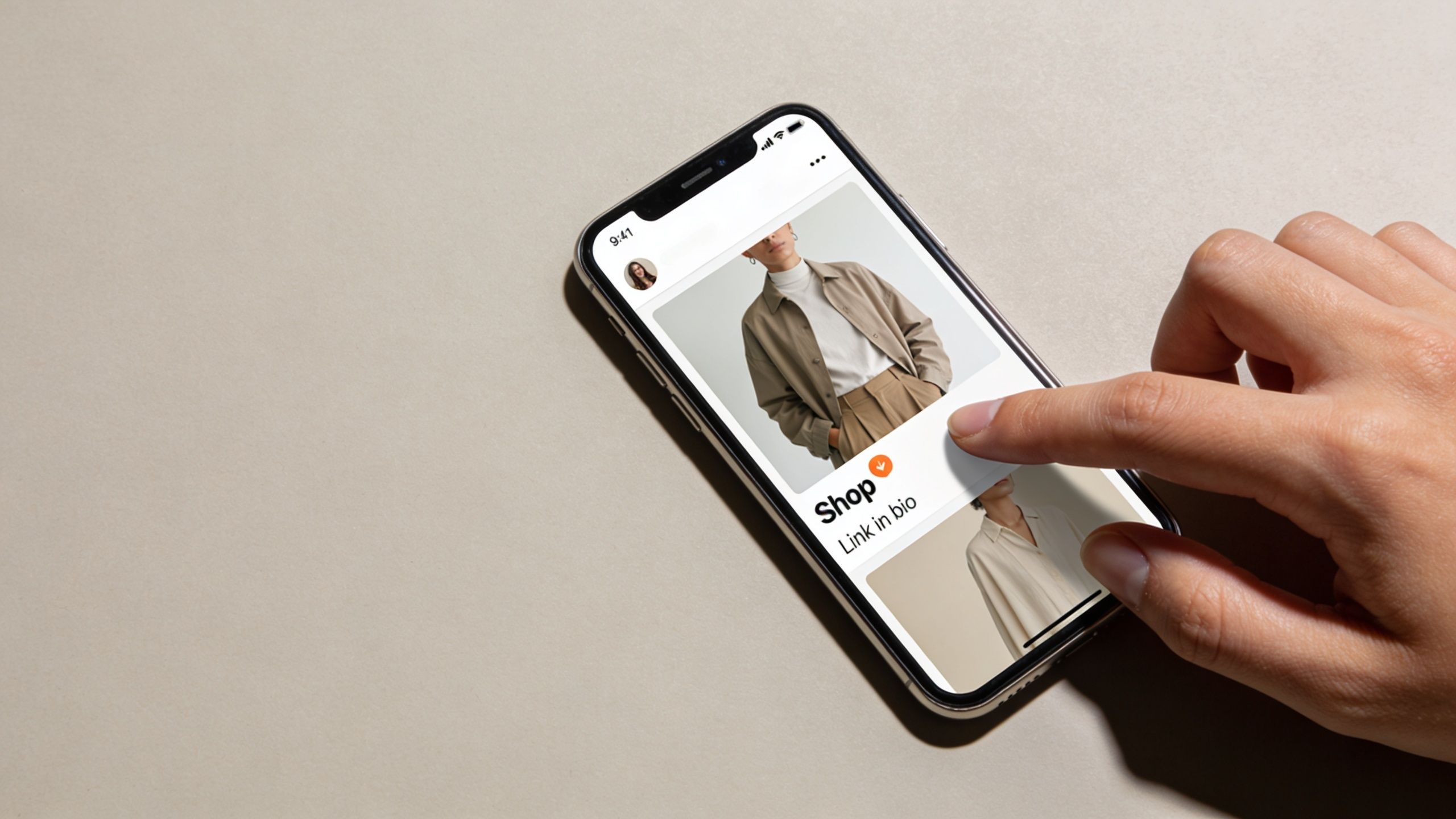
The confusing part is visibility. Social feeds are full of polished reels, trend audio, and creators who seem to post all day. Beginners, especially midlife creators who already have work, family, or caregiving responsibilities, can look at that pace and assume they need to become a full-time influencer.
A calmer approach usually works better.
Social platforms are rented space. Your email list is your home base. Social helps new people discover you, but your list gives you a way to stay connected even when an algorithm changes or a post disappears by tomorrow afternoon. That audience-owned approach is what makes social media useful for long-term security, not just short bursts of attention.
The best role for social media
Social works like the front porch of your affiliate business. People notice you there first. Then you invite them somewhere more stable.
A short reel can answer one practical question. A Pinterest pin can point to a helpful article. A TikTok can share a quick lesson and offer a free resource in exchange for an email address. The sale may happen later, after trust has had time to grow.
That matters if you want peace of mind. Chasing views can feel exhausting. Building a simple path from social post to email list to useful recommendation feels steadier.
You can see one example of that approach here: explore Instagram Affiliate Marketing.
What to post if you do not want to perform online
Useful social content does not need to be flashy. Clear beats clever.
Try formats like these:
- Mini reviews: Show one item, who it helps, and where it fits in your routine.
- Problem-solution posts: Name a small frustration and explain how a tool helped.
- Carousels or idea pins: Teach a process step by step in a format people can save.
- Link-in-bio posts: Send people to a resource page, freebie, or article instead of straight to a product every time.
Each one gives you room to teach first. That is often a better fit for beginners and for creators in midlife who want to be respected for judgment and experience, not for keeping up with every trend.
Pinterest can suit people who prefer evergreen content and less personal exposure. Instagram can be good for conversation and trust. TikTok can fit short teaching if you enjoy quick explanations. You do not need all three. One platform, used consistently, is enough to start.
If social media feels draining, keep it in a supporting role. That is still a strong affiliate model, especially when every post subtly directs people back to an email list you own.
5. Podcast Affiliate Marketing
Podcasting is one of the quieter forms of Affiliate Marketing, and that can be part of its charm. A listener hears your voice while driving, folding laundry, walking the dog, or making dinner. Over time, familiarity grows.
That trust can make affiliate recommendations feel natural when they come from real experience.
Why audio feels personal
A podcast doesn't require video. You don't have to worry about lighting, makeup, or editing a reel every day. You speak clearly, help your listener, and mention resources that fit the conversation.
This works especially well in niches where people want guidance, reflection, or practical advice. Personal finance, wellness, business, home organization, caregiving, and faith-based topics can all lend themselves well to audio.
Think about how a host might say, “I use this note-taking app to organize every episode,” or “This budgeting tool helped me finally keep things simple.” If the recommendation fits the moment, it doesn't feel like an interruption.
What to include in your podcast system
Podcast Affiliate Marketing becomes easier when you pair it with written support.
- Detailed show notes: Include the products or tools you mentioned.
- A resource page: Keep your favorite recommendations in one place on your site.
- Email follow-up: Send each new episode to your list and link to the same resources.
This model works well for relationship-driven creators. Pat Flynn's podcast is often cited because he teaches while naturally recommending tools that support what he's discussing.
A spoken recommendation can carry a different kind of weight. People hear your tone, your hesitation, and your honesty.
If you enjoy conversation more than writing, podcasting may feel surprisingly comfortable. And if you already have stories, lessons, and lived experience, you have more to say than you think.
6. Niche Community And Membership Affiliate Marketing
This type of Affiliate Marketing grows from trust inside a smaller room. Instead of speaking to the whole internet, you're helping a specific group inside a Facebook Group, paid membership, Slack community, or private circle.
For many women over 50, this feels more natural than broad public content. It feels less like broadcasting and more like helping.
When recommendations belong in a community
Communities work best when recommendations come from real questions.
Someone asks which email tool is easiest to use. Another asks what planner helps with consistency. Someone else wants a simple course platform. You answer from experience, then share the affiliate link as a helpful next step.
That approach is very different from dropping links everywhere.
A paid or free membership can also deepen your authority because people see you repeatedly. They watch how you answer questions, what you use, and whether your advice stays consistent.
How to keep trust intact
Community-based Affiliate Marketing only works if members feel supported, not sold to.
- Listen first: Notice the problems people repeat.
- Curate carefully: Build a small resource library of tools you trust.
- Be transparent: Tell members when a link is an affiliate link.
- Keep value first: The community should still help people even when no one buys anything.
This model often pairs beautifully with an email-first business. Your email list can invite people into the community, and the community can strengthen the trust behind your recommendations.
I like this path for beginners who are warm, thoughtful, and good at answering questions. If people often come to you for advice already, you may be more suited to this than you realize.
7. Webinar And Live Event Affiliate Marketing
A woman on your email list has been reading your notes for weeks. She joins your live workshop because she wants help with one specific problem, maybe choosing her first email platform or setting up a simple course. During the session, you teach the steps, answer her question in plain language, and then share the tool you use yourself. That is webinar and live event Affiliate Marketing at its best. Clear teaching first, relevant recommendation second.
This model works well because live attention is different from casual attention. People have set aside time. They came for guidance. If your recommendation fits the lesson, it can feel less like promotion and more like handing someone the exact wrench they need while fixing the sink.
For midlife creators, there is something especially encouraging here. You do not need to be flashy. You need to be useful, calm, and prepared. Life experience often helps in live settings because people can feel when someone is steady, honest, and not trying to rush them into a decision.
Why live events can build trust so quickly
A webinar gives people a chance to see how you teach in real time.
They hear how you explain a concept, how you handle confusion, and whether your advice stays grounded in real use. That makes affiliate offers easier to trust, especially if you recommend one tool that supports the lesson instead of stacking several offers into one presentation.
This approach also fits an email-first business well. Your email list invites people to the event, reminds them to attend, and follows up with the replay and resource links afterward. Social platforms can help people find you, but your email list is what lets you bring the right people back into the room again and again. That audience ownership matters if your goal is long-term security, not short bursts of traffic.
How to keep it simple
A good beginner webinar usually has one job. Help people reach one clear outcome.
You might teach how to start a newsletter, map out a basic content plan, or choose a beginner-friendly tool stack. Then, near the end, you share the product that helped you do that work yourself.
A simple structure often works well:
- Start with the problem: Name the specific issue people want to solve.
- Teach the steps: Walk through the process in a calm, organized way.
- Answer a few questions: This is often where trust grows fastest.
- Share the next tool or resource: Recommend the product only if it clearly supports what you taught.
- Follow up by email: Send the replay, notes, and link so no one feels pressured to buy on the spot.
If you want to grow into a more visible creator role over time, live teaching can also prepare you for broader partnership opportunities. This guide on how to become a paid influencer connects with that next stage.
Many beginners worry they are not polished enough to go live. That concern is normal. A well-lit room, a short outline, and a sincere teaching style are often more effective than a polished presentation that feels distant.
You also do not have to start with a large audience. Ten engaged subscribers on a live call can be more valuable than a hundred distracted viewers. Small, useful events can strengthen trust, grow your email list, and create a quieter kind of momentum that supports peace of mind over time.
8. Brand Ambassador And Long-Term Partnership Affiliate Marketing
A long-term affiliate partnership often feels less like promoting products and more like becoming a trusted guide. You use something over time, talk about it in a steady, honest way, and the brand begins to see you as a reliable partner rather than a one-time promoter.
For midlife creators and beginners, that difference matters. A scattered approach can create short bursts of income, but a well-matched partnership can support calmer, more predictable growth. It also fits an email-first business well, because your list gives you a direct way to share thoughtful recommendations without depending only on changing social platforms.
Why long-term partnerships matter
This model grows from trust.
A Brand Ambassador usually has an ongoing relationship with a company. That may include recurring campaigns, a personal discount code, early access to new offers, or regular content built around one product you use. The arrangement works a bit like being the local person everyone asks for recommendations. Your value is not volume. Your value is consistency and judgment.
Brands tend to choose creators who have already shown patience. They want to see that you communicate clearly, care about your audience, and recommend products with care. For a personal brand, the main opportunity often comes from that steady relationship, not from dropping dozens of links in different places.
If you want to understand the broader creator path that can grow out of this, this guide on becoming a paid influencer through brand partnerships fits naturally with this model.
What brands usually look for
The checklist is often simpler than beginners expect.
- A clear fit: The brand should quickly understand who you help and why their product belongs in that conversation.
- Regular presence: You do not need to post daily, but you do need to show up consistently enough that your audience recognizes your voice.
- Real product familiarity: Long-term partnerships work better when you can speak from use, not from a script.
- Trust with your audience: Replies, email engagement, and thoughtful conversations often matter more than polished image alone.
An email list can strengthen all four. It shows that people want to hear from you again, not just once. It also gives you a stable place to nurture trust, share case studies, and recommend a product in context over time.
For many people in a second chapter of life, this path feels steadier and more self-respecting. You are not chasing random offers. You are building a small set of relationships that match your values, support your audience, and can grow into a more durable source of income and peace of mind.
8 Affiliate Marketing Types Compared
| Strategy | Implementation Complexity 🔄 | Resource Requirements ⚡ | Expected Outcomes & Timeline 📊 | Ideal Use Cases 💡 | Key Advantages ⭐ |
|---|---|---|---|---|---|
| Content-Based Affiliate Marketing (Blogs & Articles) | Moderate–High 🔄, SEO + consistent publishing (6–12+ months) | Low financial cost; high time investment (writing, SEO) ⚡ | Passive, scalable income over months→years 📊 | Bloggers, subject experts, writers; midlife creators who prefer long-form | Evergreen SEO traffic; builds authority & trust ⭐ |
| Email List Affiliate Marketing | Moderate 🔄, list growth + nurture needed | Low–Medium cost (ESP $20–100+/mo); time for lead magnets & sequences ⚡ | High ROI and predictable conversions; depends on list size (months) 📊 | Solopreneurs, creators prioritizing audience ownership and long-term income | Owned channel, high conversion through segmentation & trust ⭐ |
| YouTube Channel Affiliate Marketing | High 🔄, production, editing, algorithm mastery; monetization threshold | Medium–High cost (camera/mic/editing) + significant time ⚡ | Multi-stream income (AdSense + affiliates + sponsors); scales with growth 📊 | On-camera creators in visual/niche topics (tech, reviews, education) 💡 | Strong trust and demo capability; high engagement & discoverability ⭐ |
| Social Media Affiliate Marketing (Instagram, TikTok, Pinterest) | Moderate 🔄, platform-specific tactics; trend-driven | Low monetary cost; requires frequent content creation & trend monitoring ⚡ | Faster audience growth potential but algorithm-dependent (6–12 months) 📊 | Visual storytellers, lifestyle creators, micro-influencers 📌 | Low barrier to entry; rapid community building and engagement ⭐ |
| Podcast Affiliate Marketing | Moderate–High 🔄, production, distribution, consistent schedule | Low–Medium cost (mic, hosting); time for recording/editing ⚡ | High conversion potential & sponsor rates; slower audience growth (12–18+ months) 📊 | Conversational hosts, thought leaders, experts who build intimacy 💡 | Intimate medium with strong listener trust; lucrative host-read promos ⭐ |
| Niche Community & Membership Affiliate Marketing | High 🔄, community setup, moderation, trust-building | Medium–High cost (platform $30–300+/mo) + heavy ongoing engagement ⚡ | High lifetime value and member retention; smaller but steady affiliate revenue 📊 | Established creators, mentors, niche experts building paid communities 💡 | Deep trust, curated recommendations, combined membership+affiliate income ⭐ |
| Webinar & Live Event Affiliate Marketing | High 🔄, tech setup, promotion, live delivery & follow-up | Medium–High cost (webinar platforms) + prep and promo resources ⚡ | Very high conversion from attendees; replays can drive ongoing sales 📊 | Educators, coaches, course creators with an email list or audience 💡 | High-intent audience and strong authority-building; excellent for launches ⭐ |
| Brand Ambassador & Long-Term Partnership Affiliate Marketing | High 🔄, negotiation, contracts, ongoing performance | Low direct cost but requires proven metrics and audience; time for relationship management ⚡ | Predictable retainer + higher commissions; stable recurring income 📊 | Established creators with track record and conversion history 💡 | Higher commission rates, retainers, co-marketing & brand support; income predictability ⭐ |
Your Next Step Toward Peace Of Mind
Reading through all these types of Affiliate Marketing can feel like a lot. That's normal. When everything is new, even simple terms can feel heavier than they are.
The good news is you don't need all eight.
You only need one starting point that feels natural to you. If you like writing and explaining, blogging may be the best fit. If you enjoy a quieter relationship with people, email may be the strongest place to begin. If you speak more easily than you write, maybe video, audio, or live teaching will suit you better later on.
I also want to say this clearly. You are not behind.
Many women assume the online world belongs to younger people who grew up with every new platform. But Affiliate Marketing doesn't reward youth alone. It rewards trust, clarity, consistency, and helpfulness. Those are strengths many midlife women already have.
A reality check matters here too. Retirement isn't guaranteed to create the peace of mind people hoped for. That's why building assets matters. A blog post, an email list, a small community, a helpful YouTube video, or a trusted partnership can keep working for you in a way a paycheck alone cannot.
If you're cautious, that's healthy. There are bad actors online, and skepticism can protect you. But don't let caution talk you out of learning a real skill. Tech can be learned slowly. Systems can be simplified. You do not need to become someone else to do this well.
Start with one question. What product, tool, book, or service do you already use and trust?
Then ask one more. Could you write about it, talk about it, email about it, or teach someone how you use it?
That's the beginning.
If you want the calmest path, I think an email-first, audience-owned approach makes a lot of sense. It gives you a direct relationship with people, supports nearly every other channel, and keeps your business centered on trust rather than chasing trends. That's also why many beginner-friendly creators focus on content, List Building, and simple automation instead of trying to be everywhere at once.
If you'd like extra guidance, Victoria OHare is one option for learning these ideas step by step through content focused on Affiliate Marketing, List Building, and sustainable online income for newer creators.
The next five years will pass either way. The question isn't whether time will move. It's whether you'll use some of that time to build something that gives you more security, more independence, and more peace of mind.
If you'd like a calm, beginner-friendly place to keep learning, you can explore Victoria OHare. It's a practical resource for midlife women and new creators who want to build sustainable income through Affiliate Marketing, email lists, and simple online business systems without the tech overwhelm.