

If you're over 50 and wondering whether it's too late to build income online, you're not alone. Many women feel behind financially, not because they failed, but because life happened. Retirement can start to feel less like a finish line and more like a question mark, especially when bills, caregiving, Health changes, or time out of the workforce have shaped your path.
The online world can make all of this feel worse. New platforms, strange terms, and younger creators everywhere can leave you thinking you missed your window. You didn't. You can still learn this, and your life experience is often an advantage when brands want trust, steadiness, and real connection.
Brand partnerships can be one calm way to begin. You don't need to become a flashy influencer. In simple terms, this kind of work often overlaps with Affiliate Marketing, which means recommending products and earning a commission when someone buys through your link. Some programs also pay for content, product feedback, or ongoing ambassador work.
A survey of more than 500 senior marketers and brand managers found that 61% had increased investment in ambassador programs over the prior year, and 73% planned to invest more in the next 12 months, which shows this space is being treated more seriously by brands rather than as a passing trend (marketing industry reporting on ambassador investment).
If you're also trying to understand how creators package their work, these templates for monetizing content can help you see what a simple offer can look like.
1. Victoria OHare
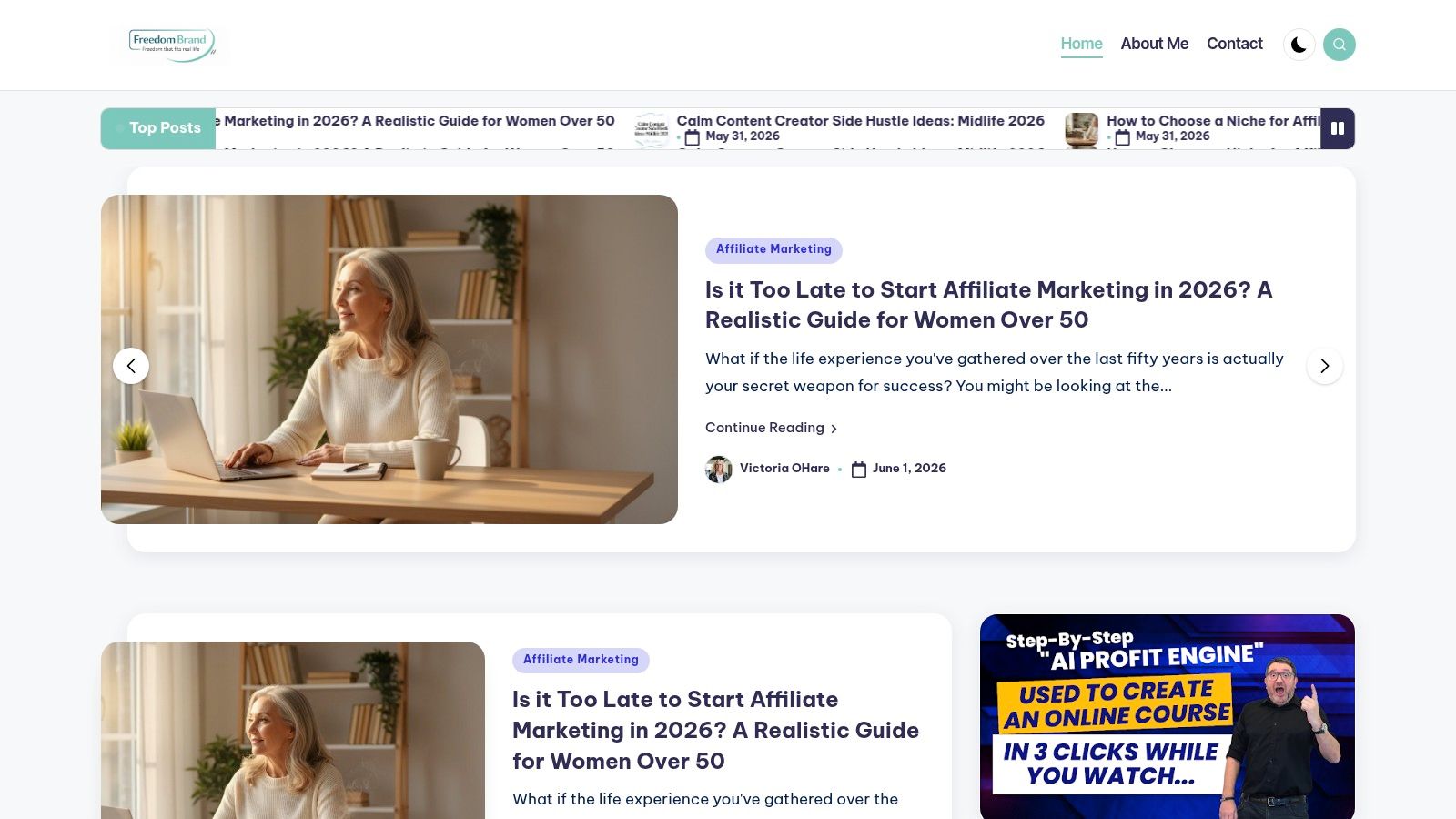
You open a new platform, see unfamiliar buttons, and wonder whether this kind of work is only for younger women who grew up online. That feeling is common. A calmer starting point can make all the difference.
Victoria OHare is not a brand marketplace. It is a learning resource for beginners who want to understand the basics before they sign up for networks, contact brands, or post commission links. For many midlife women, that order matters. It is easier to make steady decisions when you know how the pieces fit together.
Why it stands out
Victoria's content is created for people who want clear explanations without pressure. The focus is not on racing to your first deal. The focus is on building understanding first, then income. That can feel like a relief if you want online work to support your life, not take it over.
The teaching covers topics that often sound more intimidating than they really are. Affiliate Marketing is recommending a product and earning a commission when someone buys through your link. A funnel is just the path a reader takes from finding you to trusting you. Automation often means setting up small systems once so you do not have to repeat every task by hand.
If you want a simple next lesson, this guide on how to become a Brand Ambassador step by step explains what brands usually expect and how beginners can prepare.
A good teacher can make online business feel less like decoding a foreign language and more like following a recipe one step at a time.
Best for women who want a steady, low-pressure start
This resource is especially helpful if you care about stability and confidence more than speed. Instead of pushing constant posting or chasing every platform, it spends time on foundations like email lists, simple systems, and realistic expectations. That matters if financial security is part of why you are exploring this path.
A few strengths stand out:
- Clear beginner teaching: The explanations are plain, direct, and friendly to readers who do not see themselves as tech-savvy.
- Calm pace: The tone supports steady learning, which can help if you feel rusty or overwhelmed.
- Long-term income mindset: There is attention on building assets you control, not only borrowing attention from social media apps.
- Useful range of topics: You can learn mindset, strategy, and practical setup in one place.
- Good fit for new creators over 50: The material respects life experience and does not assume you want a loud, hustle-heavy brand.
There are a few limits to keep in mind.
- Less depth for advanced marketers: Someone already running paid traffic or complex funnels may outgrow the beginner focus.
- Not a deal marketplace: You come here to learn the model first, not to browse a large list of brand campaigns.
If you feel behind, this kind of resource can help you slow down, understand the process, and begin with more peace of mind.
2. LTK
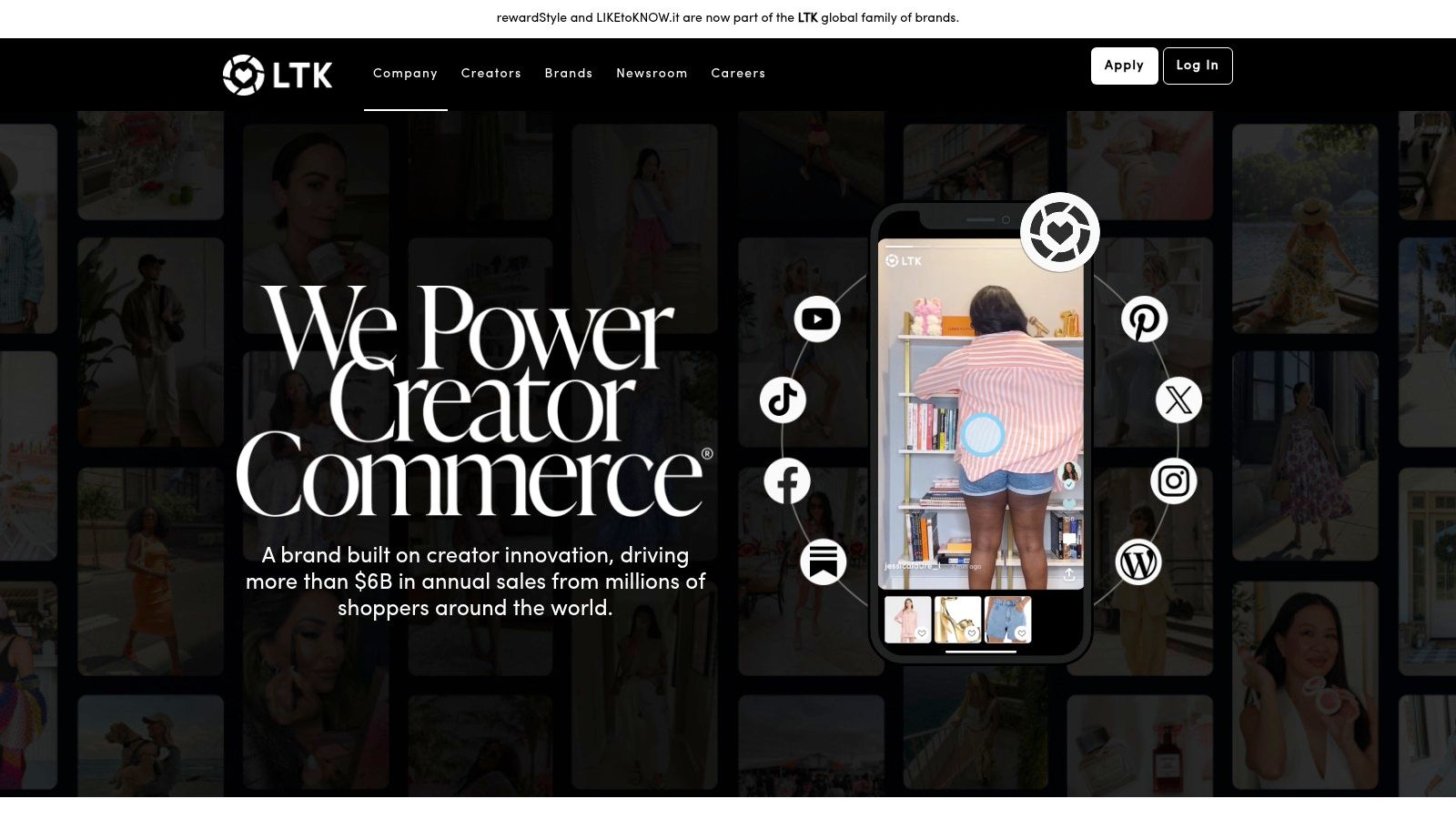
LTK is one of the best-known Brand Ambassador companies for creators in fashion, beauty, home, and lifestyle. If you enjoy sharing what you wear, use, decorate with, or recommend to friends, this platform can feel more familiar than a traditional sponsorship site.
Its appeal is simple. You can manage affiliate links, brand offers, content, and payouts in one place. LTK also offers "Quick Collabs," which are simplified brand opportunities that can reduce some of the back-and-forth that makes beginners nervous.
Why beginners often look here first
LTK works well for creators who want a single system instead of patching together affiliate programs one by one. If you post outfit photos, beauty routines, home finds, or gift guides, it can be a natural fit.
If you're still learning the basics, this article on how to become a Brand Ambassador can help you understand what brands expect before you apply anywhere.
Here are the main tradeoffs:
- Strong retail ecosystem: You can work within a broad shopping-focused environment rather than starting from scratch.
- Mixed income options: Affiliate links and paid collaborations can live in the same workflow.
- Mobile-friendly setup: The creator apps make it easier to work from your phone.
And a few cautions:
- Application required: Not everyone gets in immediately.
- Onboarding can feel fiddly: Some users report friction with setup or access.
- Performance still depends on your niche: A profile with clear content and a consistent audience tends to do better.
Sometimes the best platform isn't the one with the biggest name. It's the one you'll actually use consistently.
The website is LTK.
3. Aspire Creator Marketplace
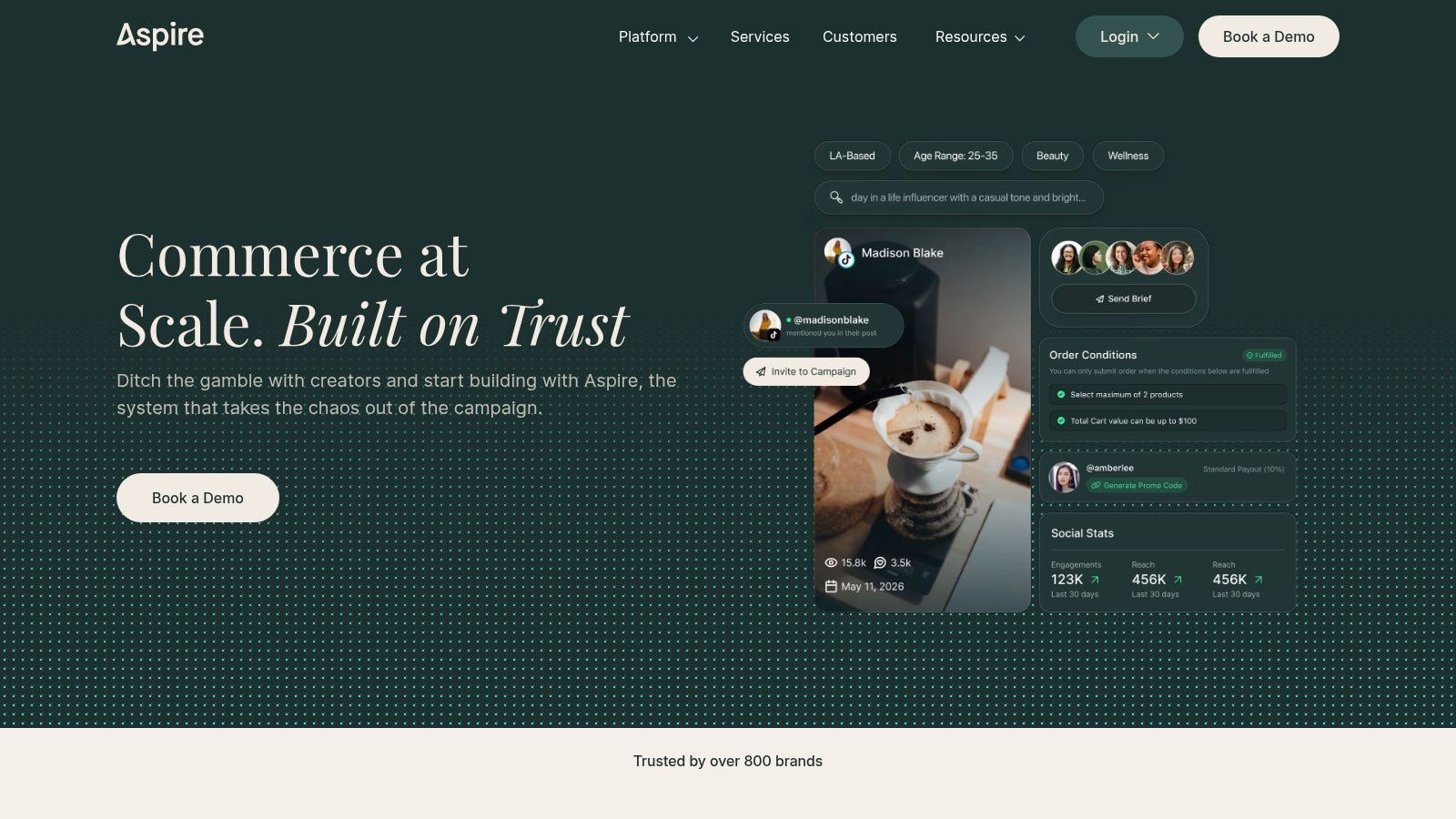
Aspire Creator Marketplace is helpful if you'd rather browse opportunities than send cold emails to brands. That alone can lower the stress level for a beginner. You create your profile, look through active campaigns, and apply directly when something fits.
For many women starting later in life, that structure matters. It gives you a clear place to begin, and it reduces the feeling that everyone else knows some hidden system you missed.
What makes it approachable
Aspire says it doesn't take a cut from creators' marketplace earnings, which is one reason many people see it as creator-friendly. The portal also centralizes briefs, messages, and payments, so you don't have to juggle scattered emails and invoices.
If you want to see examples of programs and niches before applying, this roundup of best Brand Ambassador programs can help you think more clearly about fit.
A few reasons Aspire stands out:
- Inbound opportunities: Brands post campaigns you can review and apply to.
- Simple workflow: Campaign details, communication, and payment management stay in one place.
- Less awkward outreach: You don't have to pitch every opportunity manually.
The downside is competition. Popular campaigns can attract many applications, especially if the product category is broad and appealing.
I understand being cautious. There are scams online, and there are also platforms that aren't right for every stage. Aspire is more reassuring than random DMs from unknown brands because the process is organized and visible.
The website is Aspire.
4. #paid
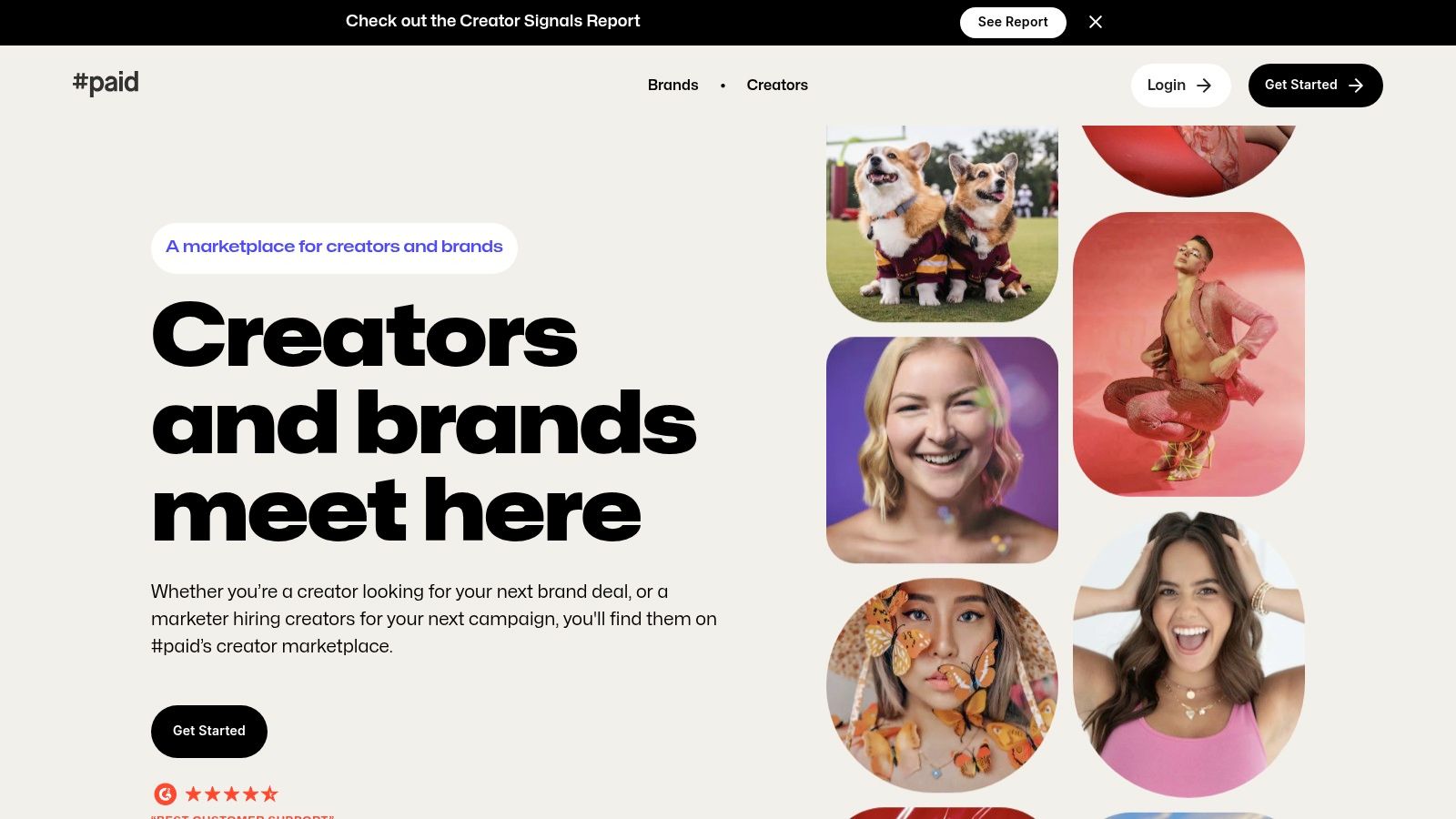
#paid is a good option if you want more structure around sponsored content and UGC work. UGC means user-generated content, which is simply content a creator makes for a brand to use, often without needing a huge public following of your own.
That can be encouraging if you've been worrying, "Do I need thousands of followers for this to count?" Often, you don't. Some brands care more about whether you can create trustworthy, usable content than whether you're internet-famous.
A more guided campaign style
#paid is known for matching brands with vetted creators and supporting the workflow around campaign terms, content usage, and reporting. That's useful when you're still learning what rights, approvals, and deliverables actually mean.
One industry discussion about ambassador measurement noted that campaign evaluation has grown more advanced. It highlighted KPIs such as reach, impressions, engagement rate, conversion rate, sentiment, and ROI, and cited Launchmetrics research indicating that for strong campaigns, 77% of media impact value should come from indirect echo rather than only the ambassador's direct output (discussion of KPIs for ambassador success). In plain language, brands increasingly care about ripple effects, not just one post.
That makes #paid appealing for creators who want to work inside a more professional campaign environment.
- Useful for sponsored and UGC work: Especially if you like making content to brief.
- Clearer terms: Guidance around usage can help beginners avoid confusion.
- Post-campaign insights: Helpful if you want to learn what performed well.
The challenge is access. Because the platform is curated, very new creators may need time to build a stronger profile before premium opportunities show up.
The website is #paid.
5. Fohr
Fohr feels a bit more like raising your hand to an agency than browsing an open job board. You create a profile, verify your audience data, and make yourself available for campaigns that Fohr helps manage.
That setup can be comforting if you don't want to negotiate every detail alone. Some creators prefer a curated path where an established team handles much of the casting and logistics.
Best for a polished profile
Fohr is useful when you want to present yourself professionally. If you're a blogger, creator, or newsletter writer with a clear point of view, a strong profile can become part portfolio and part introduction.
This isn't the fastest route for everyone. Because campaigns are curated, being on the platform doesn't guarantee you'll be selected. But that doesn't make it a bad fit. It means patience matters.
A polished profile is often your first proof that you're serious, even before you've landed many brand deals.
Some practical pros and cons:
- Agency-led campaign management: Good if you don't want to manage every moving piece yourself.
- Brand trust: Fohr has a professional reputation that can help creators appear more established.
- Cleaner presentation: Audience verification can support credibility.
And the tradeoffs:
- Not an open flood of offers: Selection depends on brand needs and fit.
- Less spontaneous than public marketplaces: You may wait longer between opportunities.
If you're calm, consistent, and willing to let your profile do some of the work, Fohr can be a sensible addition to your mix of Brand Ambassador companies.
The website is Fohr.
6. Insense
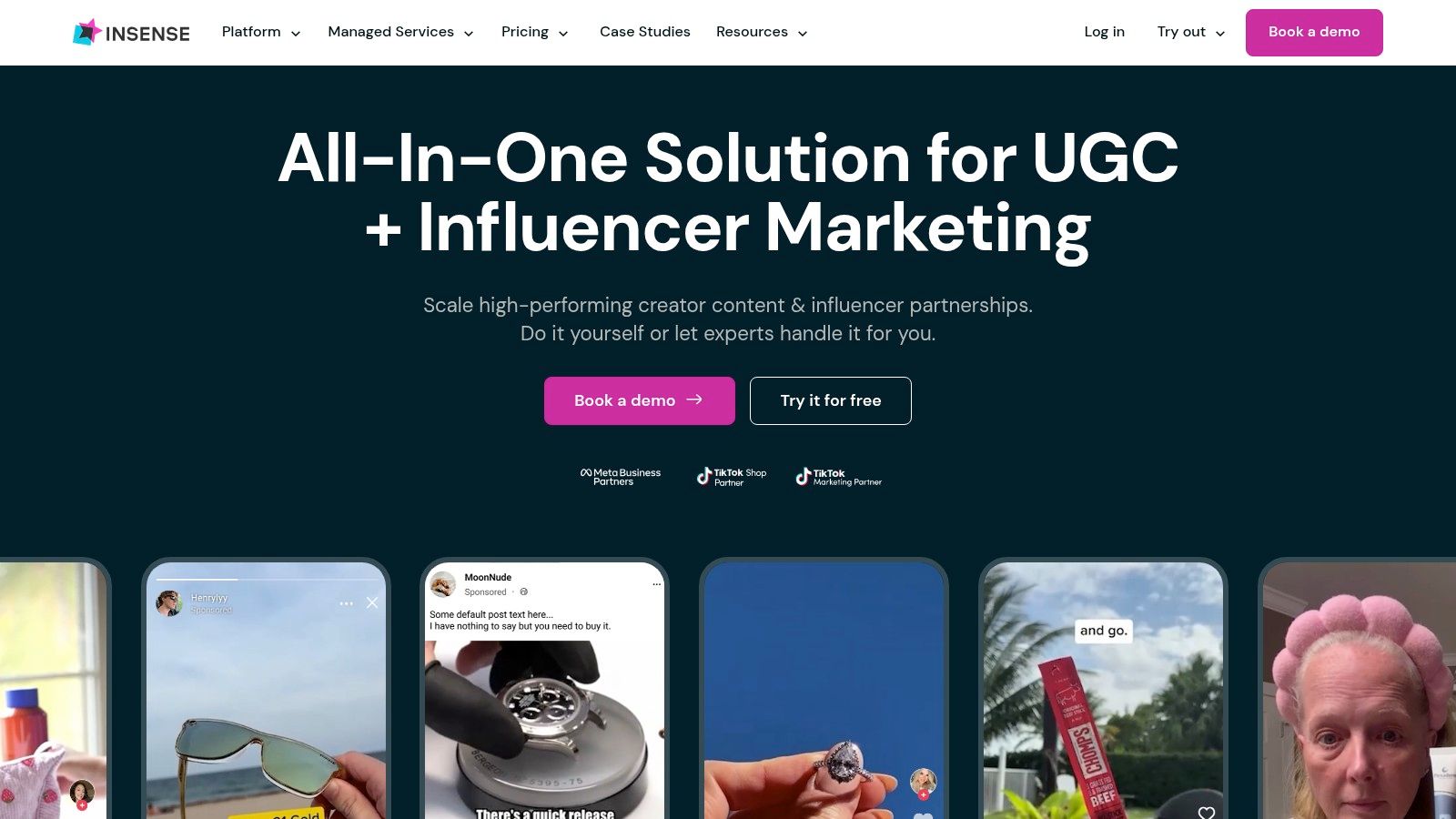
Insense is worth a look if you like creating short videos or product demonstrations and don't want your success tied only to follower count. Its focus on UGC and paid social content gives smaller creators another lane into brand work.
Many beginners think they have to "be an influencer" first. Often, they don't. Brands may need a relatable woman showing how a serum, kitchen tool, cardigan, or planner fits into real life. That's a very different job from being a celebrity online.
A practical fit for content makers
Insense supports short-form video, product photos, and creator content that brands may later amplify in ads. The workflow is built around briefs, communication, content delivery, and payment, which can make the process feel more organized for someone new.
A useful caution belongs here. One industry write-up raised an important question about ambassador spending: is it incremental, or are brands seeing demand shift from other channels like affiliate, paid social, or creator whitelisting? It argued that beginners need better frameworks for measuring success beyond vanity metrics, especially when attribution gets muddy (industry critique of incrementality in ambassador programs). That's wise advice for creators too.
When you use Insense, don't just ask, "Did I post?" Ask, "What outcome was the brand buying from me?"
- Good for UGC-focused creators: Especially if you're stronger at making content than growing an audience.
- Centralized workflow: Brief to delivery is easier to follow.
- Useful for smaller creators: Opportunity isn't limited to huge followings.
Campaign flow can vary by niche, and timing matters. If something fits, you may need to apply quickly.
The website is Insense.
7. Collabstr
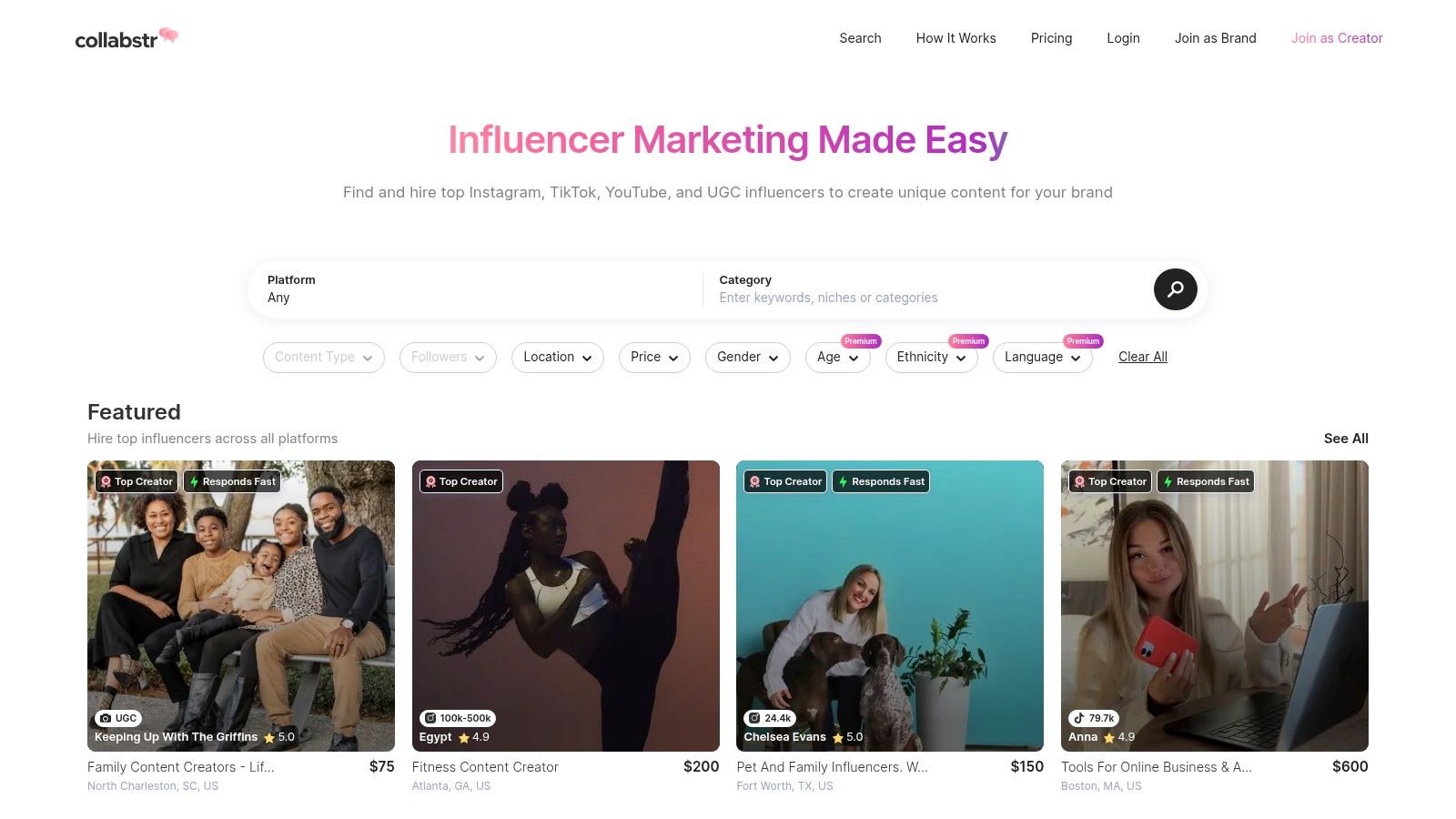
Collabstr is one of the more independent-feeling options on this list. Instead of waiting for an agency to cast you, you can create a storefront, list services, set pricing, and let brands book directly.
That setup can make you feel more in control if you want more of it. It can also feel intimidating at first, especially if you've never priced your work before. That's normal.
Better for women who want direct control
Collabstr works well for creators who like clear packages. For example, you might offer a product demo video, a bundle of still photos, or a newsletter mention with social support. The public listing style helps brands understand what you do without a long pitch.
If you're trying to figure out whether this whole category is growing or fading, the broader market says it's still expanding. One market estimate projects the global Brand Ambassador solution market will grow from USD 0.53 billion in 2026 to USD 1.18 billion by 2035 at a 9.2% CAGR, while another estimate places it at USD 0.40 billion in 2024 and USD 0.98 billion by 2033, also at a 9.2% CAGR (brand ambassador solution market projections). Projections aren't guarantees, but they do suggest this isn't a tiny side corner of marketing anymore.
A few things to weigh:
- Simple onboarding: Easy for creators who want to start listing services.
- Set-your-own packages: Helpful if you prefer clarity and independence.
- Direct booking model: Brands can discover and contact you without heavy gatekeeping.
There is marketplace noise, and your results depend a lot on profile quality, reviews, and responsiveness. Some creators also mention being asked for payment details for verification steps, so it's wise to read terms carefully and move at a pace that feels comfortable.
The website is Collabstr.
Brand Ambassador Companies, 7-Way Comparison
| Item | Implementation complexity 🔄 | Resource requirements ⚡ | Expected outcomes 📊⭐ | Ideal use cases 💡 | Key advantages ⭐ |
|---|---|---|---|---|---|
| Victoria OHare | Low, beginner-friendly, step-by-step | Low, mostly free, low-tech tools | Steady, sustainable side income & list growth (long-term focus) | Midlife beginners; creators starting later; low-tech learners | Tailored for 50+, ethical long-term approach, free learning path |
| LTK (rewardStyle/LIKEtoKNOW.it) | Medium, application & platform workflows | Medium–High, audience/traffic and mobile workflow | High potential commissions + paid collabs for strong niches | Fashion/beauty/home creators with established audiences | Large shopper base; mix of affiliate + paid collaborations |
| Aspire Creator Marketplace | Low, browse & apply to campaigns | Medium, polished pitches/portfolio; no fees | Inbound brand briefs and paid collaborations | Creators seeking transparent, inbound opportunities | No creator fees; centralized campaign portal & payments |
| #paid | Medium, vetted onboarding and campaign processes | Medium–High, proven portfolio & vetting required | Curated, higher-value sponsored work with analytics | Experienced creators wanting curated brand matches | Brand-aligned matching; post-campaign insights |
| Fohr | Low, profile signup and audience verification | Medium, verified audience data and professional portfolio | Agency-managed casting; trusted brand opportunities | Creators preferring agency-driven placements | Brand-trusted verification; professionalized casting |
| Insense | Low, marketplace briefs to delivery pipeline | Medium, short-form video skills and quick turnaround | Repeat UGC gigs and paid social amplification | TikTok/Instagram UGC specialists and short-form creators | UGC focus; clear brief-to-delivery workflow and payments |
| Collabstr | Low, create storefront and set packages | Low–Medium, manage bookings, pricing, communication | Direct bookings and controllable revenue (variable volume) | Independent creators setting rates for SMBs and brands | Easy onboarding; set-your-own-package flexibility |
Your Next Step Toward Peace of Mind
You close the kitchen after dinner, make a cup of tea, and open your laptop. A question rises almost immediately. Is this kind of work only for younger women who grew up online?
That fear is common, especially if you are starting later in life and want income that feels stable, respectable, and manageable. Brand ambassadorship can fit that goal well because many companies are not looking for flashy internet personalities. They need people who come across as trustworthy, clear, and grounded. For many women over 50, those are already well-practiced strengths.
Financial pressure can make any new idea feel risky. If Retirement feels less certain than it once did, or one paycheck no longer feels like enough protection, a modest online income stream can offer some breathing room. It does not have to replace everything at once. It can begin as one small, steady layer of support.
Start smaller than you think.
Choose one platform from this list and study it the way you would study a new store before applying for a part-time role. Read the sign-up page. Look at a few creator profiles. Notice which model feels calm and realistic for you. Affiliate programs suit women who want a slower, lower-pressure start. UGC work suits women who enjoy demonstrating products in a useful, everyday way. Agency-led opportunities suit women who want more structure and clearer boundaries.
If the technical side feels intimidating, a few simple systems can lower the stress. This guide to essential tools for social media explains how creators plan posts, organize ideas, and keep up with tasks without turning the process into a full-time tech project.
It also helps to understand how companies judge results. Analysts at T-ROC explain that brands often compare ambassador activity against matched control stores and watch measures such as sell-through, staff knowledge, attach rate, return rate, and shopper sentiment (field guidance on operating ambassador programs). They also note that coverage expectations vary by territory, and results usually build over time. For a beginner, that is reassuring. Good ambassador work is usually steady, observable, and improved step by step.
You are not behind.
You are learning a quieter way to build income, one that can suit this season of life with more dignity and less noise. A year from now, you may be grateful you began with one careful choice instead of waiting for perfect confidence.
If you want patient, beginner-friendly guidance before opening new accounts, you may want to revisit Victoria OHare from earlier in the article. Her teaching focuses on women over 50 who want to understand brand ambassadorship, Affiliate Marketing, and online income without pressure or tech overload at https://freedombrandambassador.com.