
If you're in your 40s, 50s, or beyond and wondering whether the digital world has passed you by, take a breath. You're not alone, and you're not behind. A lot of women carry a quiet worry about money, Retirement, and whether there's still time to build something of their own.
That feeling doesn't mean you failed. It usually means life was full. Work, caregiving, marriage, divorce, raising children, helping parents, Health issues, and all the ordinary responsibilities of adulthood took the front seat.
A content creator side hustle can sound intimidating because the online world often makes everything look fast, flashy, and younger than it really is. But the truth is much calmer than that. This space has become large enough to matter. The creator economy is already a $250B+ industry and is projected to reach $480B by 2027, which tells you this isn't just a hobby category anymore.
You don't need to become an influencer in the loud, exhausting sense of the word. You can build something useful, steady, and personal. You can teach what you know, recommend what you trust, and create simple digital assets that keep working after you've made them.
If you're still sorting out the basics, this guide on how to become a content creator is a helpful place to begin. For now, let's keep it simple and look at ten calm, realistic ways to build a content creator side hustle that fits midlife, rather than fighting it.
1. The Niche Email Newsletter
Some of the best online businesses don't begin with a huge audience. They begin with a useful email sent to a specific kind of person.
A niche newsletter works well for midlife creators because it rewards clarity, not performance. You don't have to dance on camera or keep up with trends. You show up regularly with ideas, advice, links, stories, or product recommendations that solve a real problem.
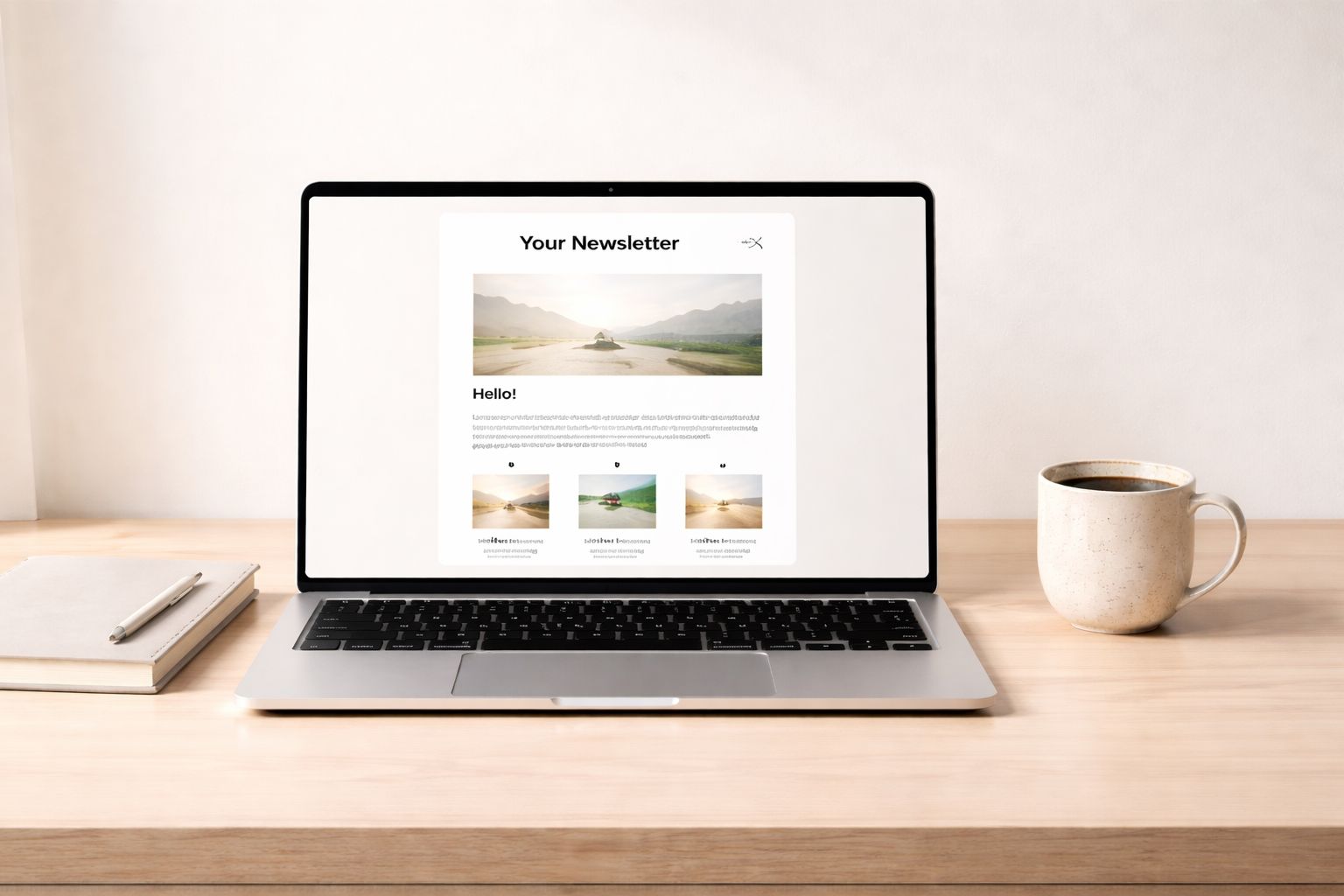
A good example might be a woman who spent years organizing family finances and now writes a weekly note for widows learning to manage bills alone. Another could be a former teacher sharing calm literacy tips for grandparents helping young readers.
Why this works so well in midlife
Email is an owned asset. If a social platform changes direction, your subscriber list is still yours. That's one reason many careful creators treat the list as the center of the business, then use social media only to bring people in.
You can earn through affiliate links, paid recommendations, digital products, or sponsored placements later on. To make that easier, learn a few email newsletter best practices early, especially around consistency, welcome emails, and list hygiene.
Practical rule: Write for one reader, not "everyone." A newsletter becomes valuable when a specific person feels understood.
If you're cautious, that's healthy. There are scams online, and there are also real businesses built slowly through trust. A newsletter belongs in the second category when it's rooted in service and patience.
2. The Helpful How-To Blog
You sit down on a Tuesday morning, type out the answer to a question you have explained ten times in real life, and publish it once. A week later, someone finds that post through a search, reads it, and feels relieved. That is the quiet strength of a helpful how-to blog.
For midlife creators, blogging suits the way experience works. You already know how to explain things in plain language, spot the common mistake before it happens, and calm people who feel unsure. Those are not small advantages. They are the reason a practical blog can feel steady instead of overwhelming.
A blog works like a well-labeled binder on the kitchen counter. Each post solves one problem. Over time, those pages become a library people return to when they need clear guidance.
One woman might write about downsizing after 60. Another might share step-by-step posts on beginner sewing, meal planning for one, natural gray hair care, or low-stress travel for women over 50. These topics are useful because they come from lived experience, not from trying to keep up with trends.
What a steady blog can become
A strong post can do more than teach. It can recommend a product you trust, invite readers to join your email list, or lead to a simple paid offer. That is why many creators eventually turn a blog into a business with a clear structure, instead of posting whatever comes to mind that week.
This model also gives you time to learn at a human pace. You do not need to master every platform at once. If you want to reuse your written ideas in visual formats later, you can discover AI video strategies and turn one useful post into another asset without starting over.
That matters if you have ever worried that you are behind. A blog rewards patience. One helpful article this month, another next month, then another. The work stacks up, and the asset grows.
A blog is often less about performing online and more about building a reference shelf people can trust.
3. The Show, Don't Tell YouTube Channel
You sit down with your phone, open the camera, and immediately wonder if you are too late to start. Maybe YouTube feels like a place for younger creators with ring lights, fast edits, and endless energy. For a midlife creator, it can be something much steadier. It can be a teaching shelf in video form, built from what you already know how to do.
This model works especially well for practical knowledge. If you can demonstrate a process clearly, you already have the heart of a useful channel. You might show how to hem pants, set up a patio herb garden, organize medication reminders, use a slow cooker, stretch safely in the morning, or repaint thrifted furniture. Life experience helps here because viewers are not always looking for polished entertainment. They are looking for calm, clear help from someone who has done the thing before.
Why YouTube is worth considering
YouTube rewards visible instruction. A blog explains. Video shows the small parts that words sometimes miss, like hand placement, timing, texture, or what a finished step should look like before you move on.
That matters if you teach anything practical.
A simple tutorial can keep helping people long after you post it. Someone may find your video six months from now because they are searching for the exact problem you solved. That makes YouTube more durable than posting that disappears in a day or two. For a side hustle, durability matters. You are not just filling time. You are building a library of assets that can keep working for you.
You also do not need to make yourself the product. If being on camera feels uncomfortable, start with overhead shots, screen recordings, or close-ups of your hands. A creator teaching watercolor basics, closet organization, or beginner tablet settings can keep the focus on the lesson itself. That often makes the content easier for viewers to follow.
The setup is usually simpler than people fear. A phone, decent window light, and a quiet room are enough for many beginners. Start with one repeatable format, such as "one problem, one solution, five minutes." That gives you structure without turning the process into a technical puzzle.
If you later want to connect video content to income opportunities, it helps to understand how teaching content and trust-based recommendations can work together. This beginner-friendly guide on becoming a Brand Ambassador explains that side of the business clearly.
A YouTube channel works like a workshop table. Each video shows one useful task from start to finish. Over time, that table fills up with proof of your skill, your teaching style, and your reliability. For midlife creators who worry they are behind, that is good news. You do not need to catch up to everyone else. You need to start documenting what you already know.
4. The Trusted Brand Ambassador
A friend asks what helped you sleep better on a long flight, which desk lamp eased your eye strain, or which walking shoes held up on a trip. You answer from experience, with the small details that matter. That is the heart of this side hustle.
A trusted Brand Ambassador recommends products with the care of a good neighbor. The job is not to praise everything. The job is to sort through options, test what fits your life, and explain your honest conclusion in plain language.
That approach fits many midlife creators especially well. You are not starting from scratch. You already know how to compare quality, spot overpromises, and notice the difference between something that looks good online and something that actually makes daily life easier.
Trust is the real business model
If you want a clear overview of the role, this beginner-friendly guide on how to become a Brand Ambassador explains how it works.
The long-term value here is credibility. Each honest recommendation adds a brick. Over time, those bricks become a reputation people return to. That matters more than chasing every new product or trend.
For midlife creators who worry they are "behind," this model can feel refreshingly grounded. You do not need flashy editing or a big personality. You need judgment. A woman sharing skincare for mature skin, kitchen tools that reduce hand strain, travel bags that are easier on the back, or office gear that makes remote work calmer is doing something useful. She is helping people make better choices and saving them from expensive mistakes.
A good rule is simple:
- Recommend products you have used: Firsthand experience gives your content weight.
- Name who the product fits and who it does not: A useful recommendation includes limits.
- Keep a record of interested readers on your email list: Social posts disappear quickly. An email list is an asset you can keep building.
A Brand Ambassador model works like a curated shop window. You are not trying to display everything. You are choosing a few items you would feel comfortable suggesting to a sister, a friend, or a colleague.
Skepticism is healthy here. Hold onto it. Ethical recommendation content is careful, specific, and transparent. That is why it can become a steady side hustle instead of a short burst of online noise.
5. The Simple Digital Product
A digital product can sound more technical than it really is. In many cases, it's just a useful file someone can download immediately.
That might be a printable planner, a caregiving checklist, a meal rotation template, a home decluttering worksheet, a packing guide, or a short mini-course. If you've solved a recurring problem in your own life, there may be a product hidden inside that solution.
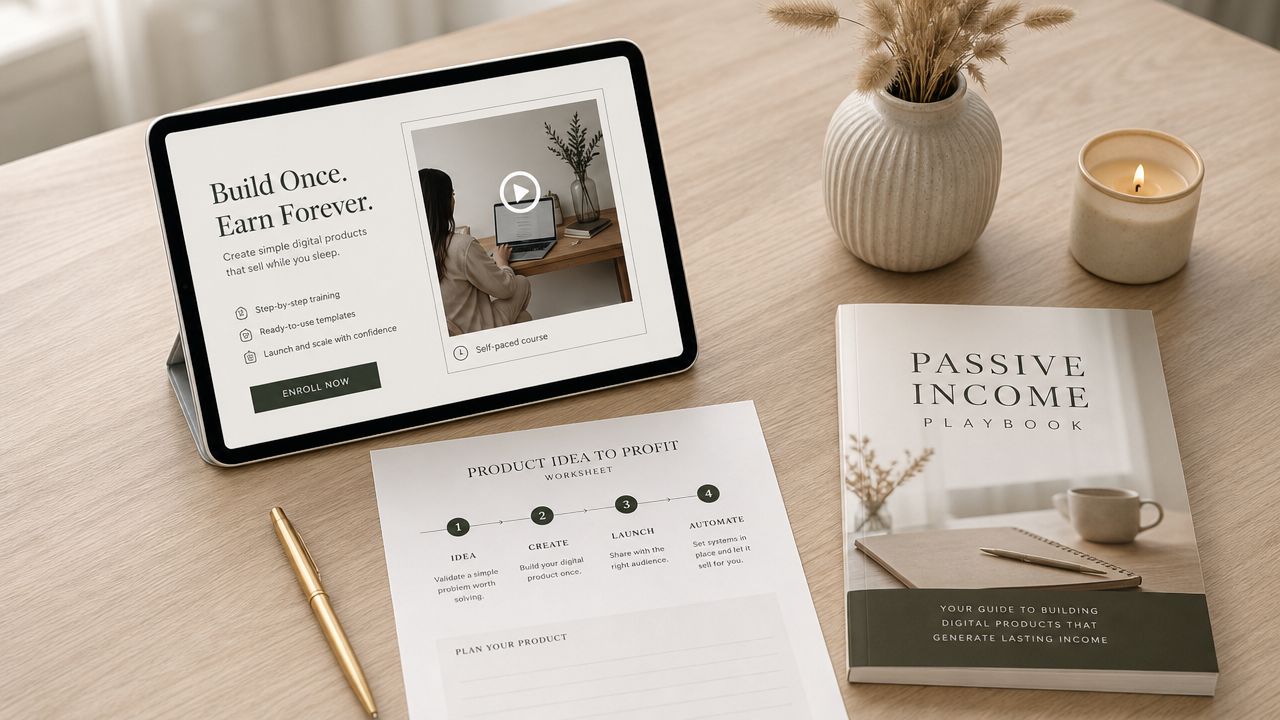
This is one of my favorite content creator side hustle models for midlife because it turns experience into an asset. You create it once, improve it over time, and let your content point people toward it.
Start smaller than you think
A woman caring for an aging parent could make a doctor's appointment tracker. Someone who rebuilt her pantry budget could create a simple grocery planning sheet. A retired manager could sell a resume refresh guide for women returning to work.
You don't need a giant catalog. One product that solves one problem is enough to begin.
The emotional benefit matters too. Creating a digital product helps shift your mindset from "I hope someone notices me online" to "I built something useful." That's a different kind of confidence. It's quieter, and I think it's stronger.
Build the smallest version that still helps someone finish a task.
That approach also lowers risk. You're not betting everything on attention. You're building something tangible that your blog, newsletter, or videos can support over time.
6. The Niche Social Media Manager
A lot of midlife creators do not want to spend years trying to become an online personality. They would rather do useful work, get paid for it, and keep a little more privacy. A niche social media manager offers exactly that kind of path.
A niche social media manager helps one specific type of business stay active online. That can include writing captions, turning long posts into shorter ones, editing simple video clips, replying to comments, and planning what gets posted each week. The niche part matters because familiarity builds trust. If you already understand the audience, the tone, and the everyday problems in that field, you are already closer to useful than someone starting from scratch.
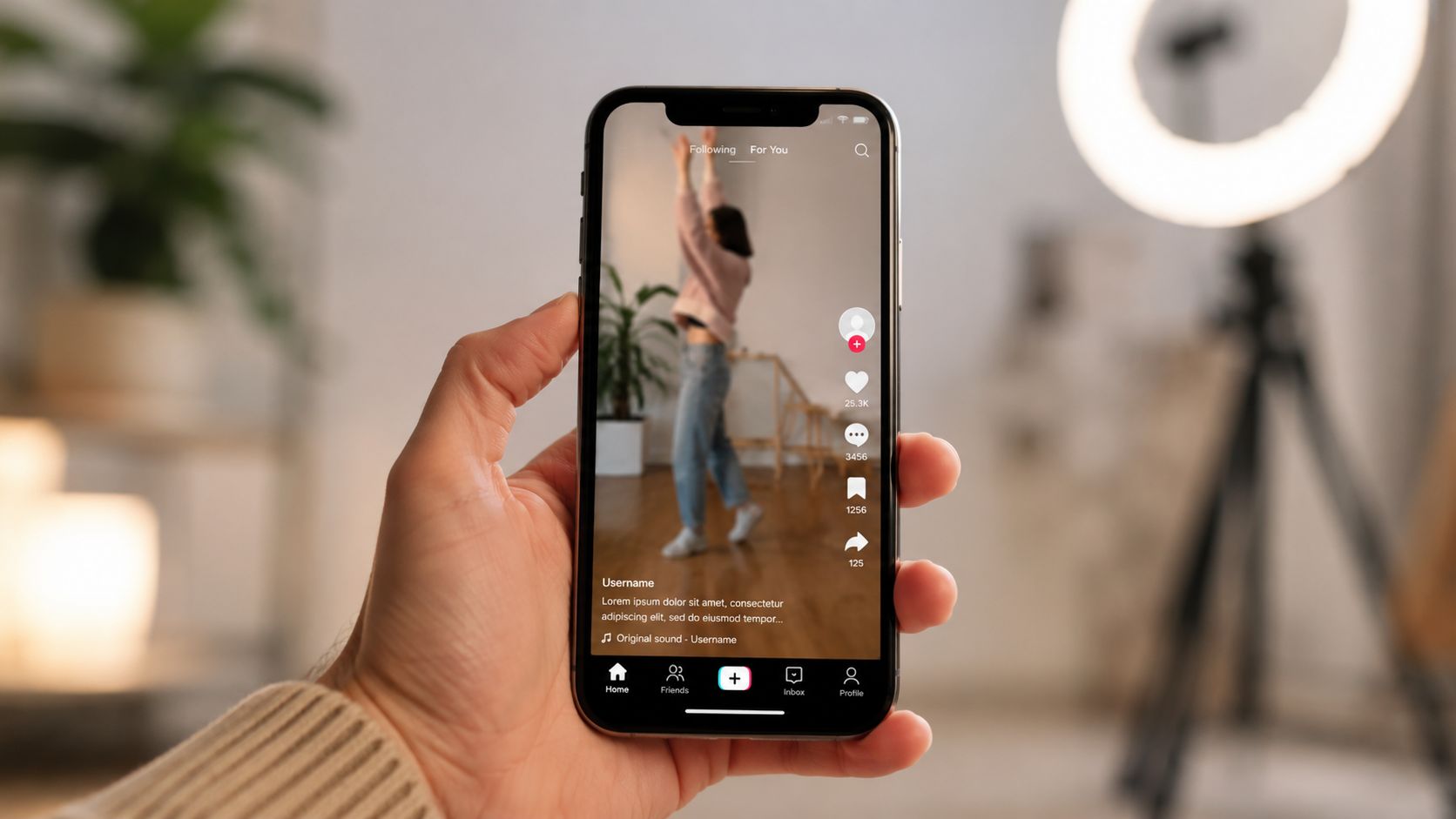
This can be a strong fit for someone who likes structure. It is less about performing and more about paying attention. You are helping a business sound clear, steady, and human online. For many women, that feels more natural than trying to keep up with trends or post pieces of their personal life.
Your past work can become your advantage here. A former office manager might help accountants or local law firms. A woman with years in education might manage accounts for tutors, learning centers, or children's therapists. Someone who spent years in retail or home services may already know what customers ask, what they worry, and what kind of posts help.
That experience saves time. It also lowers the tech panic that can come with starting something new, because you are not learning everything at once. You are using what you already know in a new container.
Start with one business type
Pick one kind of client and make a few sample pieces. A week's worth of captions for a senior fitness coach works well. So does turning one article into three short posts, a quote graphic, and a simple video script.
This works like being a good organizer for someone else's online front desk. You are helping people find the business, understand what it offers, and feel comfortable reaching out.
The long-term value is not just the monthly income. It is the skill set you build while doing the work. You learn what gets attention, what earns trust, and what content leads people to take action. Those lessons can later support your own newsletter, blog, or digital products if you decide to build assets under your own name.
Start small. Keep the service clear. Choose a niche you understand well enough to sound calm and confident from day one.
7. The Educational Mini-Webinar
A mini-webinar is a short online teaching session. Nothing fancy. No giant launch. No slick presenter voice required.
You pick one problem and teach one clear solution. It could be "How to Start a Simple email list," "Three Ways to Organize Family Paperwork," or "Beginner Makeup for Mature Skin in Ten Minutes." The best webinars don't try to impress people. They help them leave less confused than when they arrived.
Why this format builds trust quickly
Live teaching lets people hear your judgment, not just your information. That's powerful in midlife because experience often shows up in nuance. You know the difference between theory and what works in real homes, real budgets, and real schedules.
A mini-webinar can lead naturally into affiliate recommendations, a paid workshop replay, a digital product, or a coaching offer. Even if someone doesn't buy anything, you've still built trust.
This format also works well if you're not sure what your audience wants. The questions people ask during or after the session often tell you what to create next.
- Keep the topic narrow: One problem holds attention better than a broad lesson.
- Use simple slides or none at all: A calm voice and clear outline are enough.
- Invite people onto your list: A webinar without follow-up is a missed opportunity.
I like this model for women who have spent years explaining things at work, in families, or in volunteer roles. Teaching is often already in you. The internet just gives it a container.
8. The Calming Podcast
It is 6:30 p.m. You are cleaning up the kitchen, your phone is on the counter, and a steady voice is keeping you company while you finish the last few dishes. That kind of listening moment is why podcasts can work so well, especially for midlife creators who have something useful to say but do not want to be on camera all the time.
A podcast gives your experience a quieter container. If writing feels heavy and video feels too public, audio often sits in the middle. Your voice can carry patience, judgment, and reassurance. For listeners in a season of change, that tone matters.
A calming podcast is not about sounding polished. It is about sounding steady.
You might build a show around starting over after divorce, caregiving without losing yourself, practical Retirement routines, gentle home organization, simple wellness habits, or the emotional side of building a second chapter. These topics attract people who want guidance they can return to week after week. Over time, that repeat attention can become a real asset, especially if each episode also invites listeners onto your email list.
Boundaries matter here
Many midlife creators worry that showing up online means giving up privacy. It does not. A podcast lets you share your ideas without opening every door in your personal life.
You can use a brand name instead of your full legal name. You can skip details about your home, your daily schedule, your family, and the places you go regularly. You can tell stories with the identifying details removed, the same way a thoughtful friend changes names when sharing something sensitive over coffee.
Privacy is a boundary, not a weakness.
That boundary often makes consistency possible. If you feel safe, you are far more likely to keep recording, keep publishing, and keep building something that still serves you a few years from now.
9. The Paid Community or Membership
You may not want a side hustle that depends on chasing views every week. A paid community offers a steadier model. People join because they want a reliable place to ask questions, stay accountable, and keep going when motivation dips.
For midlife creators, this can be a strong fit. Your value often comes less from being the loudest person online and more from being the person who has seen a few seasons of life, solved real problems, and can guide others with perspective. That kind of trust is hard to fake, and it tends to grow stronger with time.
A good membership works like a neighborhood library with a helpful librarian. The books matter, but people return because someone helps them find the right shelf, answer the next question, and stay on track.
Build around a problem that keeps coming back
One-time problems usually fit a course or a download. A membership fits ongoing challenges. Meal planning, learning simple tech tools, rebuilding finances after divorce, starting a creative business, staying consistent with content, or practicing confidence on camera all have one thing in common. People need support more than once.
That point matters.
Many new creators assume they need a huge resource vault to justify a monthly fee. Usually, a smaller, well-run space is easier to keep useful. If members can quickly find the lesson, ask a question, and get a clear next step, the community feels worth paying for.
A simple membership can include:
- One monthly teaching session: Keep it focused on one practical problem.
- Office hours or Q and A: Clarification often matters more than adding new material.
- A tidy resource library: Organize by topic so people do not feel buried.
- A discussion space with clear boundaries: Members should know what belongs there and what does not.
Boundaries matter here too, especially if tech already feels tiring. You do not need a complicated platform with ten tabs and constant notifications. A quiet, easy-to-use setup is often better for both you and your members. If you later want to add short visual explainers or even transform articles into AI videos, do it to support the core experience, not to make the membership look busier.
Community becomes valuable because it is repeatable. A lesson you teach once can help many people. A thoughtful answer to one member's question often helps the whole group. Over time, that creates an asset with depth: recurring revenue, closer audience trust, and a body of work you can improve instead of starting from scratch each month.
People often pay for progress they can sustain, and for the relief of not figuring everything out alone.
10. The Content Repurposing Specialist
This is one of the most practical side hustles on the list because demand is easy to understand. Many business owners and creators already have content. They just don't have time to reuse it well.
A content repurposing specialist takes one core piece of content and reshapes it into several formats. A blog post becomes an email. A webinar becomes short social clips. A podcast becomes quotes, captions, and a summary article.
Great for organized, thoughtful creators
If you've ever looked at someone's long article and immediately seen five smaller pieces inside it, you may already have the instinct for this.
You might help a coach turn a teaching video into a blog post and newsletter. You might help a local business convert customer questions into simple Instagram posts. You might even transform articles into AI videos if that fits the client's style and your comfort level.
This role also teaches you a lot about your own future business. When you repurpose content for others, you start to notice what topics travel well, what hooks readers, and what formats save time.
One caution matters. Keep your process simple enough to repeat. If every project requires a brand-new system, you'll feel buried quickly. Templates, content buckets, and clear deliverables protect your time.
I like this path for women who are strong editors, patient listeners, and good at seeing structure inside messy ideas. It's creative work, but it's also service work, which makes it easier to sell.
10 Content Creator Side Hustles: Quick Comparison
| Item | Implementation (🔄) | Resources (⚡) | Expected Outcomes (📊) | Ideal Use Cases (💡) | Key Advantages (⭐) |
|---|---|---|---|---|---|
| 1. The Niche Email Newsletter | Low–Medium: 2–4h setup, 3–5h/wk writing | Minimal: MailerLite, Canva, lead magnet | 📊 $100–$500/mo in 3–6 months; steady recurring commissions | Passion niches, affiliate recommendations, trust-building | ⭐ Owned audience, low cost, high trust |
| 2. The "Helpful How‑To" Blog | High: ongoing SEO + content (5–10h/wk first year) | Hosting, keyword tools, writing time (SiteGround, KW tools) | 📊 $500–$2k+/mo once established (6–12 months) | Evergreen how‑to guides, problem‑solving content | ⭐ Compounding organic traffic; durable asset |
| 3. The "Show, Don't Tell" YouTube Channel | Medium–High: filming + editing (6–10h/wk) | Moderate: smartphone, lav mic, CapCut/DaVinci | 📊 Ads + affiliates; $100–$1,000+/mo after monetization (6–12 mo) | Visual tutorials, demos, reviews, personal presence | ⭐ Rapid trust building; high engagement |
| 4. The Trusted Brand Ambassador | Low: relationship building; needs small audience | Minimal: blog/social, media kit (Canva) | 📊 Retainers $250–$500+/brand/month; requires ~1k+ audience | Authentic promotion for brands you use and love | ⭐ Higher per‑partner pay; authenticity over reach |
| 5. The Simple Digital Product | Medium: create once (5–20h), then market (2–3h/wk) | Low–Medium: Canva, Gumroad/Payhip, promo channels | 📊 Fast first sales; low‑price items ($7–$27) can yield hundreds/mo | Templates, checklists, budget sheets, quick solutions | ⭐ High margins; scalable passive income |
| 6. The Niche Social Media Manager | Medium: client onboarding + monthly content (2–5h/client/wk) | Low: Canva, Meta Business Suite, client access | 📊 $300–$500/client/month; predictable monthly fees | Local businesses (bakeries, realtors, dentists) | ⭐ Immediate paid work; repeatable & scalable SOPs |
| 7. The Educational Mini‑Webinar | High: prep + promotion (10–15h first event) | Moderate: slides (Canva), Zoom, email list | 📊 $200–$1,000+ per live event; strong conversion potential | Teaching quick wins, List Building, affiliate offers | ⭐ Fast trust and sales in a single event |
| 8. The Calming Podcast | Medium: record/edit/publish (3–6h/wk) | Low–Medium: USB mic, Audacity, hosting (Spotify) | 📊 Slow monetization (1+ year); sponsorships $500+/mo later | Storytelling, interviews, guided content, niche talks | ⭐ Deep listener relationships; low camera pressure |
| 9. The Paid Community or Membership | Medium: set up + ongoing moderation (2–4h/wk) | Moderate: Memberful/Circle or FB Group, content | 📊 Predictable recurring revenue (e.g., 20×$20 = $400/mo) | Mentorship, support groups, mastermind formats | ⭐ Recurring revenue; strong retention if valuable |
| 10. Content Repurposing Specialist | Medium–High: systemized workflow (4–8h/client/wk) | Moderate: Descript/Otter, Buffer, Canva, PM tool | 📊 $500–$1,500+/client/month retainers; high per‑client value | Creators needing multi‑format assets (podcasters, coaches) | ⭐ High margins; scalable via SOPs and assistants |
Your Next Five Years Will Pass Anyway
If you're feeling both interested and slightly overwhelmed, that's normal. Starting something online can stir up old doubts. Am I too late? Am I too old? Do I need more tech skills? What if I embarrass myself?
Those thoughts are common, especially if you've spent years in roles where you were competent and confident, then suddenly feel like a beginner again. I remember that feeling myself. The first time I logged into an online dashboard and saw all the buttons and tabs, I wanted to close the laptop and walk away. Learning new systems in midlife can feel humbling. But it can also be freeing, because you stop waiting to feel fully ready.
A content creator side hustle doesn't need to begin as a business empire. It can begin as one email a week. One tutorial video a month. One blog post answering one question. One digital product that saves someone time. That's enough.
It also helps to keep your expectations realistic. In 2025, 44% of Americans said they need a side hustle to survive financially, while 48% use side gigs to save for specific goals. That tells us something important. Extra income isn't only about ambition. For many people, it's about peace of mind. It's about breathing room, dignity, and a little more control over the future.
If you're over 50, your life experience is not a disadvantage in this space. It may be your strongest asset. You already know how to solve problems, communicate clearly, and notice what people need. Tech can be learned. Judgment takes years, and you already have it.
You don't need to become a public figure if that doesn't feel safe or appealing. You can stay semi-private. You can focus on useful content instead of personal exposure. You can build around assets you own, especially an email list, evergreen content, and simple products that don't disappear when an algorithm changes.
Pick one model from this list. Not three. Just one.
Then ask yourself three quiet questions:
- What do I already know well enough to teach clearly
- What format feels manageable for my energy and schedule
- What could become an asset instead of another temporary task
If you'd like structure, beginner-friendly training, and practical guidance around Affiliate Marketing, List Building, and content-based income, Victoria OHare may be one relevant place to continue learning. The site focuses on sustainable online business building for newer and midlife creators.
The next five years will pass either way. The only question is whether you'll use them to build something that gives you more security, more purpose, and more peace of mind. You're not behind. You can learn this. And it's not too late to start, calmly and one step at a time.
If you'd like a calm, step-by-step place to keep learning, you can explore Victoria OHare. It offers beginner-friendly guidance for midlife women and new creators who want to build income through content, Affiliate Marketing, email lists, and simple online business systems without the usual hype.